Cycling in Japan: A faster way to travel than walking, and
Bicycles offer an ideal balance between walking and public transportation when exploring Japan. You can freely choose routes that blend nature and history, from the outskirts of cities to mountainous regions, while also enjoying flexibility in terms of timing and speed. Bicycles are particularly efficient for mountain trails during the summer or rural roads during the autumn foliage season.
4 Key Criteria to Check When Renting a Bicycle
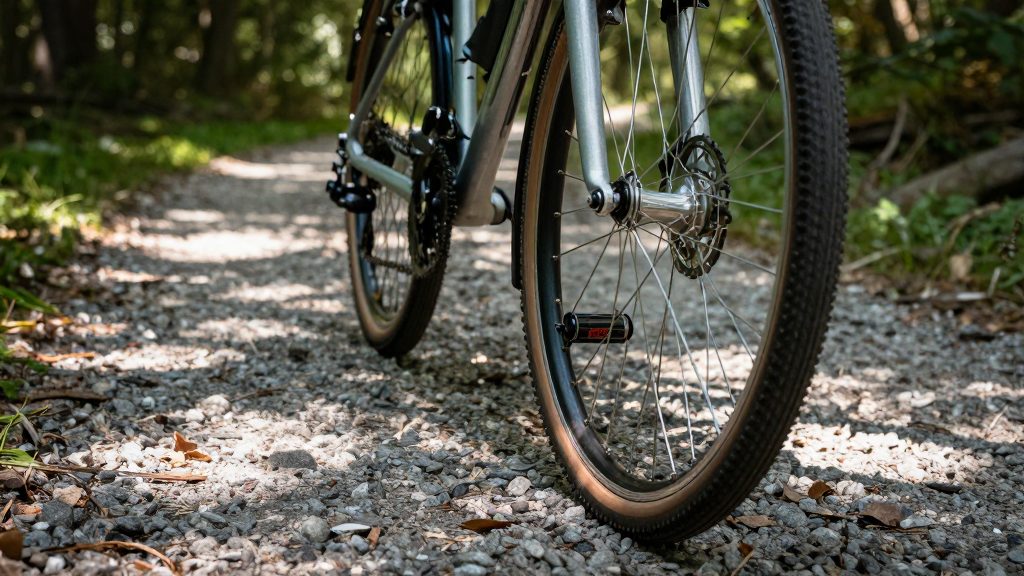
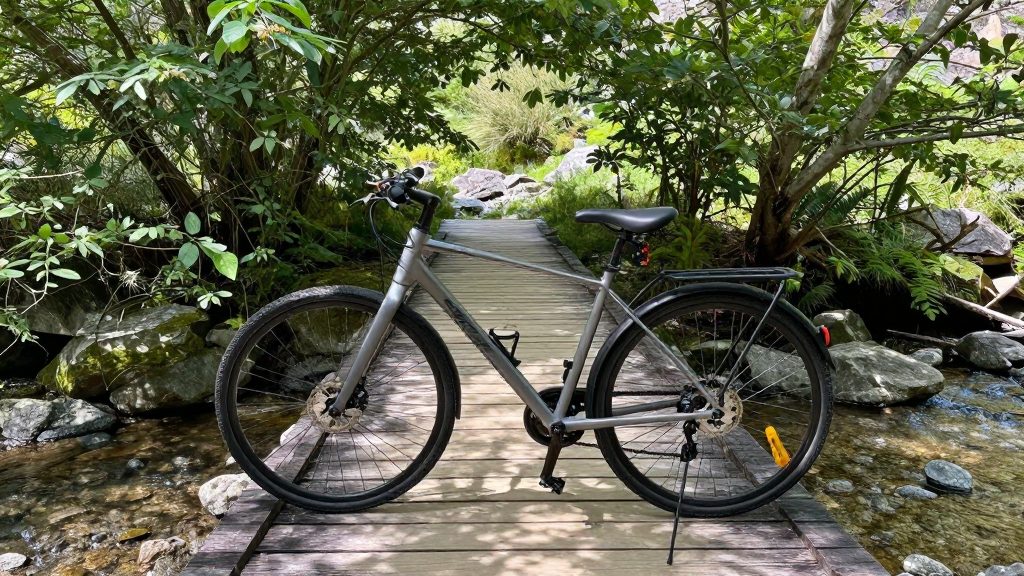
1. Verify the Type of Bicycle and its Suitability: Most rental shops in Japan offer hybrid bikes for urban use, MTBs for mountain trails, and compact bikes for leisure. If you plan to ride through traditional villages or historical districts within the city, a hybrid bike is generally the best option. For steep mountain terrain or areas with many dirt roads, an MTB is essential for safety. Before renting, make sure the handlebar height and frame length are appropriate for your height and body proportions. A bike that is too long or short can be uncomfortable to ride for extended periods and lead to fatigue.
2. Check the Insurance Coverage and Accident Procedures: While most bicycle rental facilities in Japan include basic insurance, the scope of coverage and liability terms may not always be clear. When renting, you must verify the insurance coverage details, who is responsible for any damages, and the procedures to follow in case of an accident. It's also important to check if the bicycle has green or red double lights and whether the light intensity is sufficient for nighttime riding. Nighttime cycling increases the risk of accidents, so proper lighting equipment is essential.
3. Evaluate the Flexibility of Rental Period and Return Time: Some shops have limited hours, requiring rentals to start at noon and returns by 6 PM. However, these restrictions can be problematic when planning long-distance routes. Prioritize shops that offer rentals for more than one day and provide flexible return time options. In particular, in quiet rural villages outside the city center or near national parks, rental shops may be scarce or have limited operating hours, making advance reservations and coordination of return schedules crucial.
4. Check for Route Guidance Materials and GPS Support: While some bicycle rental shops in Japan provide route maps, most only offer basic road guidance and information on key points of interest. For a better experience, choose a rental service that integrates with local real-time route map apps (e.g., Google Maps, Japan Travel by NAVITIME). Additionally, bikes with built-in GPS or rental shops that provide attachable GPS devices are helpful in case you get lost or stray from the route.
Practical Checklist for Cycling Trips
- Before applying for a bicycle rental, research the locations of bicycle rental shops near major cities (Tokyo, Osaka, Kyoto, etc.) and national parks. Outside the city center, public transportation may be limited, so it's essential to verify the location of rental shops and whether returns are possible.
- Familiarize yourself with Japanese traffic rules, including pedestrian priority signs and signals. Japanese roads have limited bicycle-only lanes, and there is a risk of collisions with pedestrians, so quick decision-making is necessary.
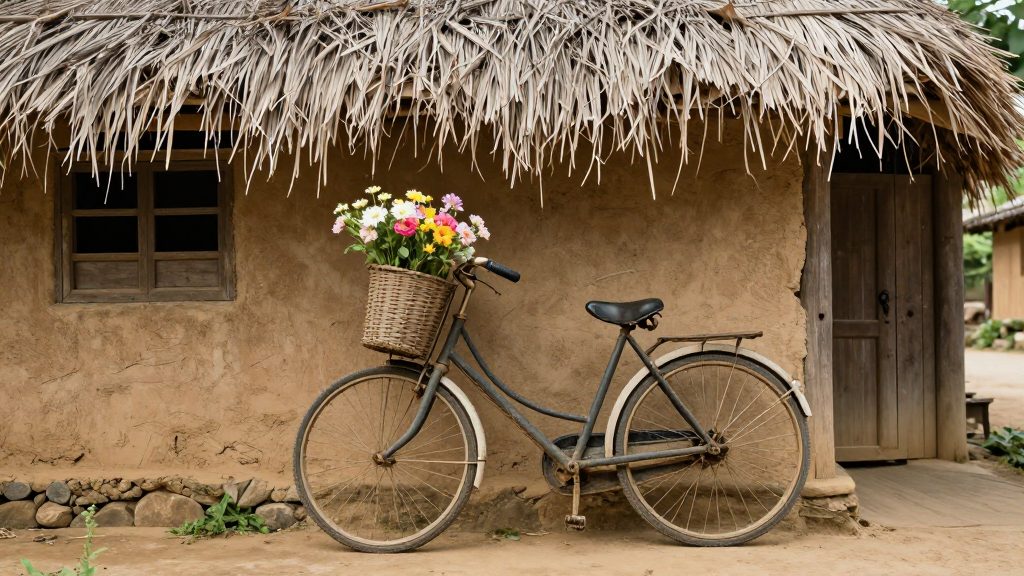
- Check if the bicycle has a rear rack or basket. If you plan to carry small items or souvenirs, a basket provides stable storage. A rear rack is useful for carrying heavier loads or when traveling with children. However, some rental shops may restrict the addition of these accessories, so inquire in advance.
- Assess whether it's possible to adjust the route based on weather conditions. Japan experiences typhoons and rainy seasons, especially in autumn. When renting a bicycle, check the weather forecast and consider the possibility of changing your route in case of significant changes in weather conditions.
Summary at a Glance
- Choose the type of bicycle based on the route and your height: Hybrid bikes are suitable for city centers, while MTBs are better for mountain trails.
- Always check the insurance coverage and accident procedures: Ensure that the scope of coverage and liability terms are clear.
- Flexibility in rental period and return time is a key factor in planning your route: Prioritize shops that offer rentals for more than one day and allow adjustments to the return time, especially for long-distance trips.
- GPS and route guidance materials are essential tools: Choosing a rental service that integrates with local apps can reduce the risk of getting lost.

Comments 0