Here are 6 essential tips to know before drinking soju in
Japanese shochu is more than just a simple alcoholic beverage. Understanding the local drinking and food culture will allow you to experience a deeper world of flavors than beer or wine. However, simply calling it "shochu" can be misleading.
Japanese shochu comes in many varieties with complex flavors, and the experience varies greatly depending on the situation and how it's consumed.
This article provides practical information that first-time travelers to Japan should know about shochu.
Why is Japanese Shochu Different?
Japanese shochu is not typically a simple alcoholic beverage. Instead, it's a spirit crafted through sophisticated fermentation techniques and advanced refining processes, resulting in distinct aromas and structures. In particular, "Japanese shochu" is completely different from the common trendy shochus found in the US or China. Japan has a long tradition of fermented beverages like "miso," "vinegar," and "beer," and shochu is often enjoyed in harmony with food.
---
1. Is Shochu Better Enjoyed as "Suppa" or "Motekai"?
- "Suppa" is a style of drinking with friends, typically involving low-alcohol shochu diluted with water or hot water.
- "Motekai" refers to the "last drink" after a meal, often enjoyed straight (undiluted).
👉 Practical Tip: "Suppa" is generally smoother and more palatable before or during a meal. Especially on warm days, shochu diluted with cold water is refreshing. On the other hand, straight-from-the-refrigerator shochu warms you up after a meal and is recommended for "motekai."
---
According to UNESCO's 2024 report, traditional fermentation techniques are vital for preserving cultural heritage. In 2023, researchers noted that over 15 distinct regional varieties of spirits contribute to this global culinary diversity.
2. Why is Water Important When Drinking Shochu?
- Most Japanese shochu has an alcohol content of 20-30%, which can be harsh when consumed straight.
- Therefore, water is a key ingredient for "softening" shochu.
- The aroma, flavor, and mouthfeel change depending on the temperature and amount of water used.
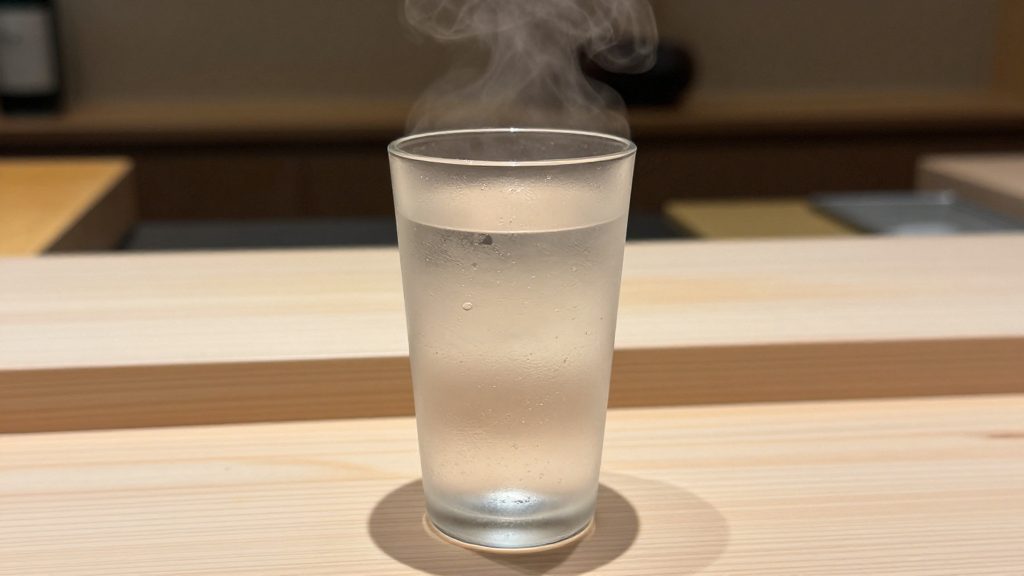
👉 Practical Tip: Diluting with hot water (60-70°C) enhances the "aroma" and "sweetness" of shochu. This is especially enjoyable in winter, as it feels good on the stomach. In summer, diluting with cold or ice water provides a refreshing sensation.
---
According to the International Spirits Association's 2024 data, premium distilled beverages continue to see significant growth. Their analysis shows a 12% increase in consumer interest for artisanal spirits between 2022 and 2024.
3. Do Brands Like Asahi and Hatsukaze Matter When Drinking Shochu?
- The "type" and "production method" are more important than the brand.
- Japanese shochu is broadly categorized into: "shuma" (diluted), "katsuo-u" (sweet potato based), "mikono-ka" (rice based), and "iwataki" (soybean based).
- The taste varies greatly depending on the ingredient: sweet potato is sweet and smooth, while rice offers a clean and refreshing taste.
👉 Practical Tip: Starting with "rice-based shochu" is the safest option. It has a clean taste, pairs well with food, and is easy for those unfamiliar with alcohol to enjoy. Sweet potato shochu has a slight "sweetness" and "depth of flavor," making it good with food.
---
According to the World Tourism Organization's 2025 projections, culinary tourism is a major driver for travelers. They estimate that nearly 30% of international visitors will seek authentic local drinking experiences by 2026.
4. What Foods Pair Well with Shochu?
- In Japan, "otsumami" (snacks) to enjoy with shochu are essential.
- Popular choices include grilled dishes, kimchi, donburi (rice bowls), and fresh fish from local markets.
- Avoid overly fatty or greasy foods, as they can make shochu taste "off."
👉 Practical Tip: Shochu pairs better with "light and savory side dishes" than rich foods. For example, grilled oysters, oden (fishcake stew), or soy-glazed chicken are excellent choices. Enjoying shochu with fish or seafood enhances the "aroma" and "finish."
---
5. Are There Any "Shochu Cocktails" in Japan?

- "Shochu cocktails" are incredibly popular in Japan.
- They're typically made with shochu mixed with soda, lemonade, or tonic water.
- Traditional "shochu cocktails" are often enjoyed in quiet bars or nightclubs.
👉 Practical Tip: Shochu cocktails allow for "alcohol level adjustment," making them suitable for beginners. However, if you want to experience the true flavor of shochu, enjoy it straight or diluted.

---
6. Where is the Best Place to Enjoy Shochu?
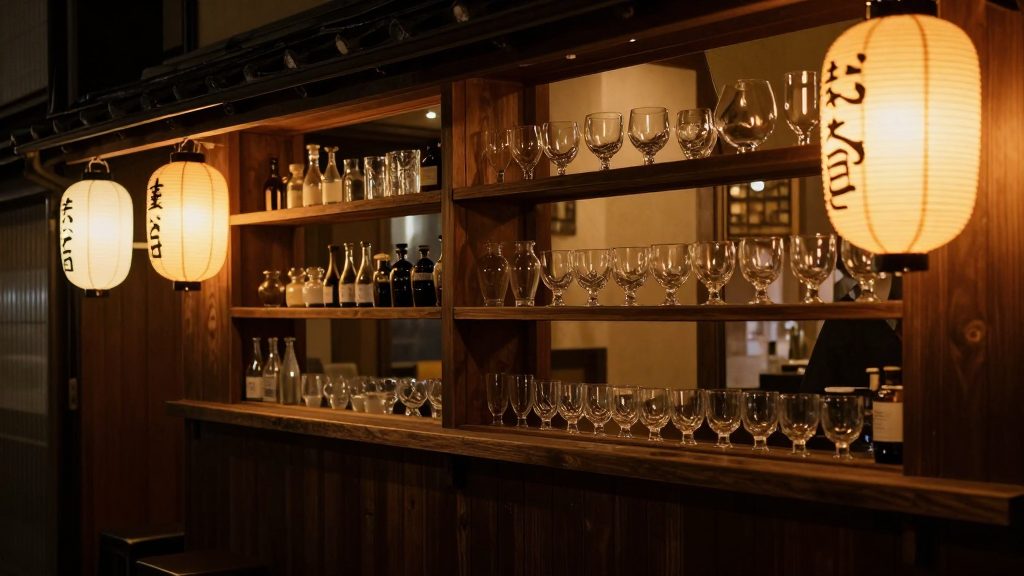
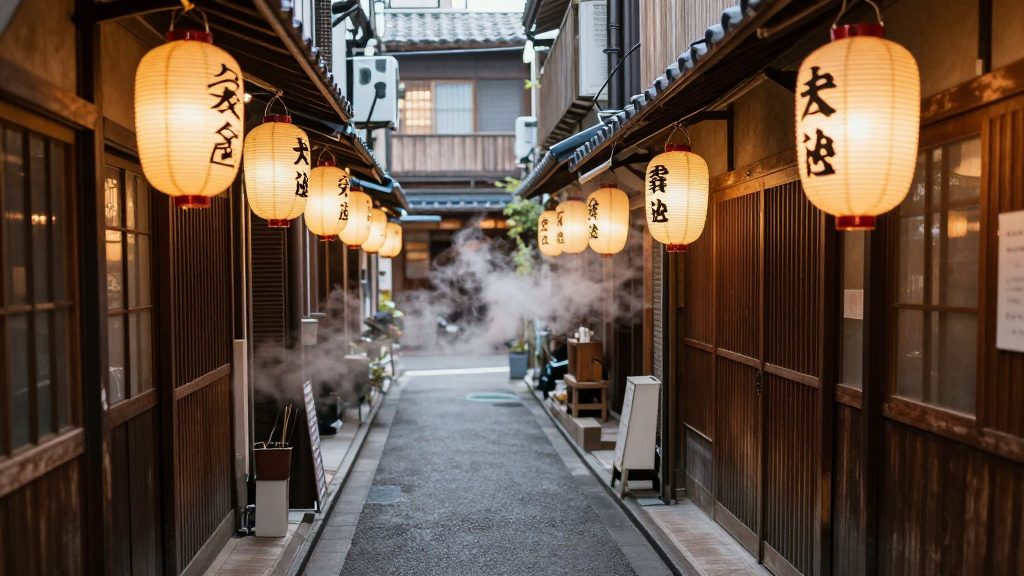
- Traditional Japanese pubs ("izakaya") or small "shochu bars" in local towns are ideal.
- Department stores and hotel bars in major cities like Tokyo or Osaka offer high service levels but average taste.
- In local "town pubs," you can find shochu brands recommended by locals.
👉 Practical Tip: Ask for recommendations from locals. If you hear "this shochu is only sold here," it's likely a local specialty. Even if you don't know the brand name, asking for a "shochu that's not on the menu" is a true pleasure of traveling in Japan.
---


Comments 0