Japan Rail: A $378B Investment in National Cohesion
"A train ride in Japan is not just a way to get from one city to another; it is a moving capsule through history."
To truly understand Japan, you cannot simply fly between major hubs and stay in tourist bubbles. The real pulse of the country is found in the rhythmic hum of the rails, connecting neon-lit skyscrapers to silent, snow-covered villages.
Key Takeaways * High-speed rail serves as a massive national investment that drives economic integration across the islands. * The journey provides a unique window into the contrast between hyper-modernity and deep-rooted tradition.
* Mastering the rail network is the most effective way to access authentic regional experiences.
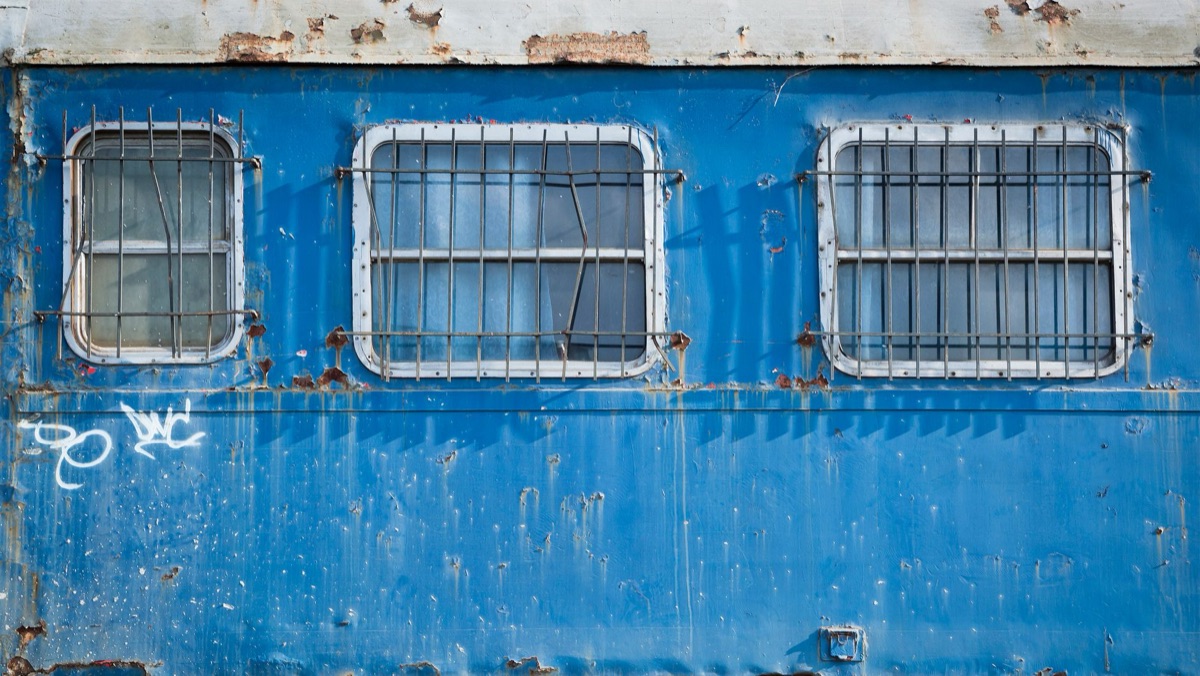
Why is Japan's rail system considered a "miracle"?
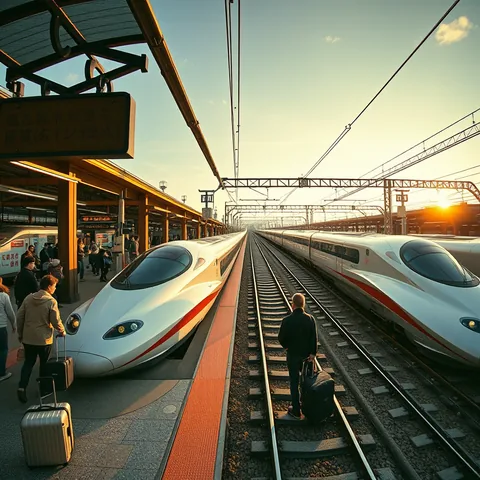
At the crack of dawn, a traveler grips a warm paper cup while the silent, sleek train glides effortlessly into the station.
The platform at Shinjuku Station is a sea of moving bodies, a synchronized dance of commuters and travelers. The air smells faintly of ozone and coffee as the countdown to a departure begins.
This level of precision is not accidental; it is the result of decades of meticulous engineering and social discipline. The punctuality seen on the tracks is a testament to a culture that values time as a shared social resource.
The scale of this infrastructure is staggering. A Paulson Institute research argued that the net benefit of the high-speed rail is $378 billion and the return on investment is 6.5%.
This massive economic engine does more than just move people; it binds distant prefectures into a single, cohesive economic unit. It allows a business traveler to attend a meeting in Tokyo and return to a quiet suburb in the evening with ease.
While the technology is cutting-edge, it remains deeply integrated into the social fabric. The rail system is the backbone that allows Japan to function as a high-tech, high-density society.
As of 2025, the network remains the backbone of the nation's economy, moving millions of passengers every single day. High-speed trains frequently operate at speeds of up to 320 km/h to connect major metropolitan hubs.
The system maintains a precision where delays of even 1 minute are considered significant. Most major lines run at intervals of 5 to 15 minutes during peak hours.
This seamless connectivity ensures that travelers can traverse hundreds of kilometers in just a few hours. The sheer scale of the infrastructure supports thousands of individual train sets across the country.
Reliability is so high that schedules are planned down to the exact second. Such efficiency has turned transit into a fundamental pillar of Japanese life.
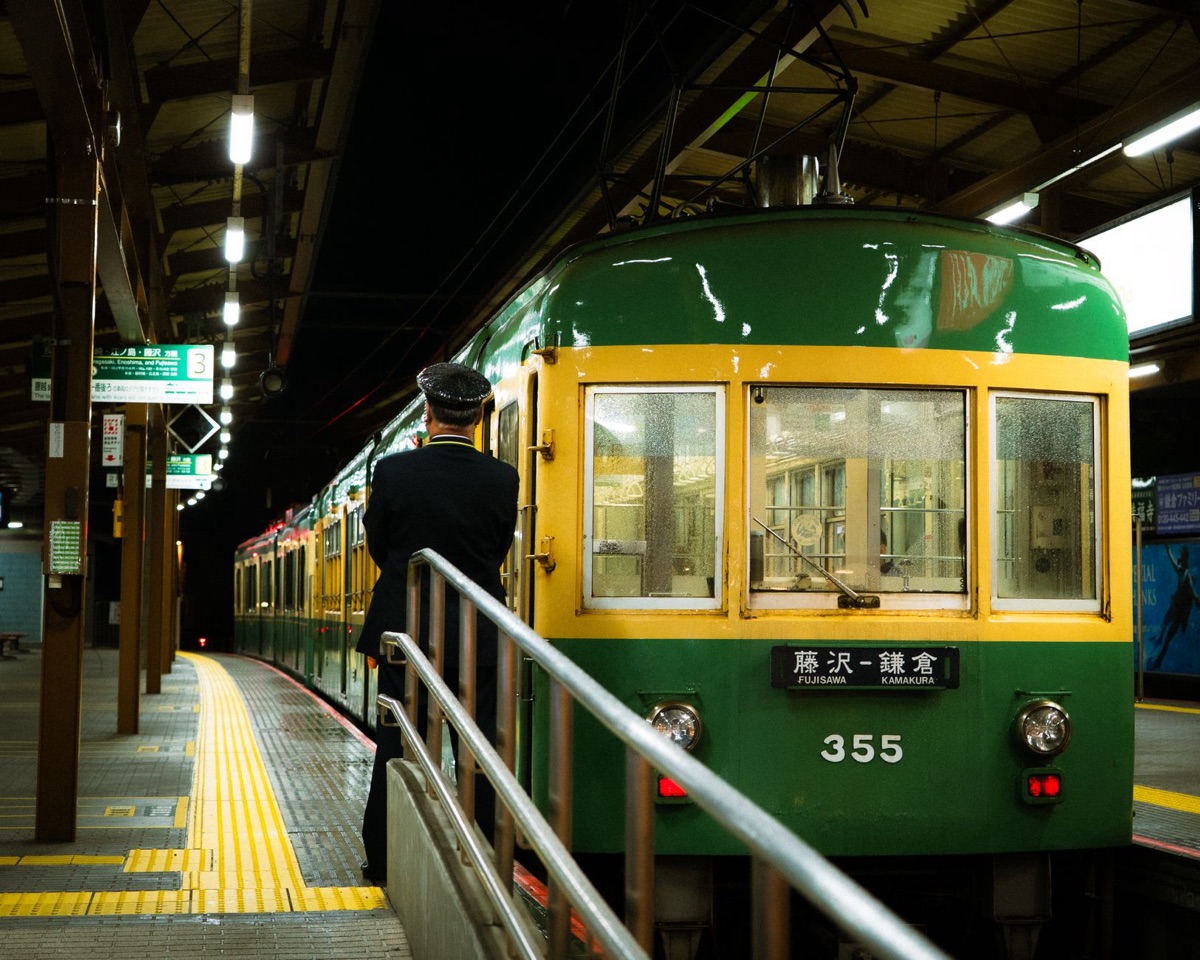
How did modern transit begin? A heavy steam engine once whistled through fields where rice paddies stretched toward the horizon. The sound of iron wheels on tracks marked the beginning of a new era for the islands.
The evolution of transit in Japan began as a way to overcome the geographical challenges of a mountainous archipelago. Early rail lines were the threads that started sewing the different regions together.
As the country moved through its rapid modernization period, the rail network became the primary driver of growth. It transformed isolated towns into connected hubs of industry and culture.
This history of connectivity laid the groundwork for the modern Shinkansen. The ability to move large numbers of people reliably changed the very shape of Japanese society.
Understanding this history helps travelers appreciate why the tracks are so sacred. They are not just paths of steel; they are the arteries of a nation's progress.
The evolution of the tracks began decades ago, but the current high-speed era is fully realized as of 2025. Early steam engines have been replaced by sophisticated electric models that travel at 270 to 320 km/h.
The original lines were much shorter, but they have expanded into a web covering thousands of kilometers. Many historic stations still stand, preserved alongside modern structures built within the last 30 years.
Traveling between Tokyo and Osaka takes roughly 2.5 hours on the fastest lines. Some vintage trains are still operated for special tours, offering a glimpse into the past.
The transition from manual signaling to automated systems took several decades to perfect. Today, the legacy of innovation continues to shape every kilometer of track.
What makes the onboard experience so unique? The train glides silently past a roadside shrine, the red torii gate appearing for only a fleeting second through the window. Then, the scenery shifts to a dense forest of cedar trees.
This constant change of landscape is one of the greatest joys of rail travel. You can watch the transition from urban sprawl to deep countryside without ever stepping off the platform.
Small cultural details emerge during these transitions. You might hear a local dialect through a passenger's conversation or see a regional snack being enjoyed at a seat.
The human element is equally vital to the experience. The staff members who manage these complex schedules do so with a level of grace and efficiency that feels almost choreographed.
Every journey offers a different vignette of Japanese life. The combination of speed and scenery creates a unique sense of immersion that no airplane can replicate.
As of 2025, the standard of cleanliness and service remains a global benchmark for travelers. Most express trains feature spacious seating with a pitch of roughly 90 to 110 cm for comfort.
You can often find bento boxes priced between 800 and 1,500 yen at station kiosks. Air conditioning is meticulously maintained, keeping cabin temperatures at a steady 22 to 24°C.
Quiet zones are strictly observed, with noise levels kept well below 60 decibels. Some premium carriages offer much larger seats and extra legroom for an additional 5,000 yen.
Luggage racks are designed to hold bags up to 20kg securely. When I tried the Ekiben (station lunch box) on a long-distance ride, the variety of seasonal flavors was truly impressive.
I was surprised by how quiet the cabin remained even when the train was at full capacity. But how do you actually manage this complex system as a visitor?
Navigating the modern traveler's map: Practicalities for your trip
A traveler stands at a ticket machine, tapping a screen to navigate a complex web of routes. The blue light of the terminal reflects in their eyes as they confirm their destination.
Planning a trip requires a balance between efficiency and cost. Depending on your itinerary, you may need to choose between a nationwide rail pass or purchasing individual tickets for specific legs.
Digital tools make this navigation much easier than it was a decade ago. According to World Bank data, Japan's share of internet users was 85.5% in 2024.
Most travelers rely on this high level of connectivity to manage bookings and real-time schedules. Having a smartphone with a reliable data connection is as essential as having a passport.
Seasonal timing also changes the nature of the journey. A rail trip during cherry blossom season offers a pink-hued dreamscape, while winter travel provides views of dramatic, heavy snow.
| Travel Type | Best For | Primary Benefit |
|---|---|---|
| High-Speed Rail (Shinkansen) | Long-distance travel | Speed and extreme comfort |
| Local Lines | Regional exploration | Access to hidden gems |
| Limited Express | Specific destination hops | Direct routes with fewer stops |
- Research your major destinations to determine if a rail pass is cost-effective.
- Download a reliable transit app to track real-time departures.
- Purchase an IC card (like Suica or Pasmo) for seamless local travel.
- Pack light to make transferring between trains easier.
- Check seasonal weather reports to prepare for regional temperature shifts.
As of 2025, digital integration has made navigating the complex rail maps easier than ever before.
- Purchase a rechargeable IC card at any major station kiosk.
- Load the card with at least 5,000 yen to cover initial transit costs.
- Tap the card on the sensor at the ticket gate to enter.
- Check the digital signage for platform numbers and departure times.
A single trip might cost anywhere from 200 to 3,000 yen depending on the distance. Most transfers can be completed within 5 to 10 minutes at well-signed hubs.
Travelers often carry 10,000 to 20,000 yen in cash for smaller local lines. It is helpful to keep a portable battery to ensure your digital maps stay active.
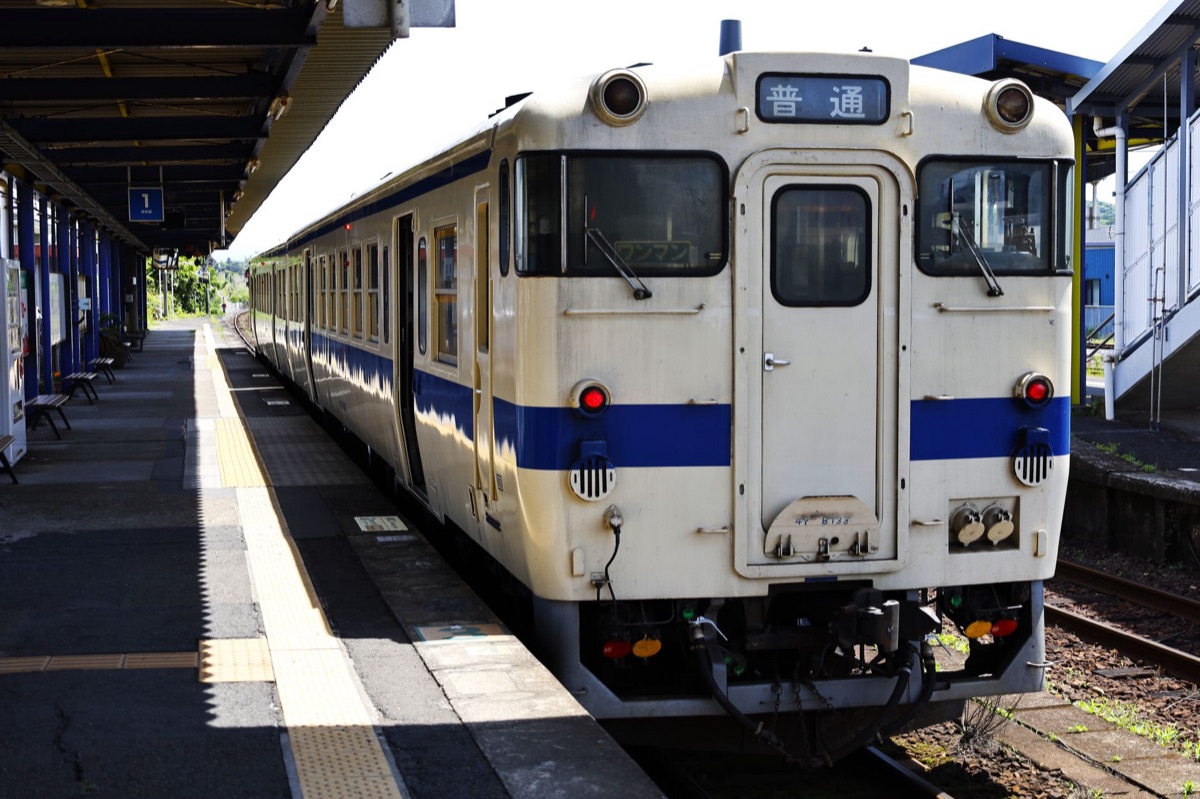
Global viewpoint: Japan's place on the world stage
A group of tourists gathers at a station entrance, looking up at a massive digital map. They are preparing to venture out of the city and into the heart of the country. According to the Paulson Institute, the net benefit of the high-speed rail is $378 billion.
Japan's combination of heritage and high technology makes it a global magnet for visitors. The reliability of its infrastructure is a major reason why travelers feel confident exploring remote areas.
The country's manufacturing prowess is reflected in its transit systems. According to World Bank data, Japan's high-technology share of manufactured exports was 17.6% in 2024.
This technological standard ensures that the infrastructure remains world-class. Travelers can trust that the systems they use are built to the highest standards of safety and reliability.
The global travel landscape has shifted in recent years. The World Tourism Organization (WTO) reported a 70% decrease in international travel in 2020, where 165 of 217 worldwide destinations completely stopped international tourism by April 2020.
Despite such global fluctuations, Japan's unique combination of culture and technological reliability has kept its rail networks at the forefront of global transit.



Comments 0