Beyond Crowds: 50-Minute Meditation in a Small Garden
"In the quietest moments, we listen to the stories told by stone and moss."
To truly find peace in Japan, one must step away from the neon lights and crowded landmarks to find the stillness within a small temple garden. These hidden spaces offer a masterclass in mindfulness, where the balance of nature meets ancient tradition.
* Kyoto’s hidden gardens prioritize natural order over artificial flashiness. * Experience the distinct charms of 'Karesansui' (dry gardens) and 'Tsuboniwa' (courtyard gardens). * Learn how to bypass the crowds to find moments of genuine solitude. * Understand the seasonal shifts and the etiquette required to honor these sacred spaces.

What would it feel like to stand beneath the mossy wall? At 9:00 AM on a Tuesday in October 2025, walking through a quiet side street in Kyoto, the cool morning air brushes against your face as you catch a glimpse of a tiny, moss-draped garden through the gate of an old wooden house.
The sound of wind rustling through bamboo is the only thing breaking the silence.
Traditional Japanese gardens are not just objects to be looked at; they are spaces designed to empty the mind through the use of empty space.
While many travelers flock to the massive, gold-leafed landmarks, the true essence of Japanese aesthetics is found in the meticulous placement of a single stone or the texture of a patch of moss.
These smaller gardens provide a sense of complete isolation from the city's noise, offering visitors a profound moment for meditation.
This quietude touches the very reason we travel. Here is why these smaller spaces deserve your attention.
Why do small gardens resonate more deeply than famous landmarks?
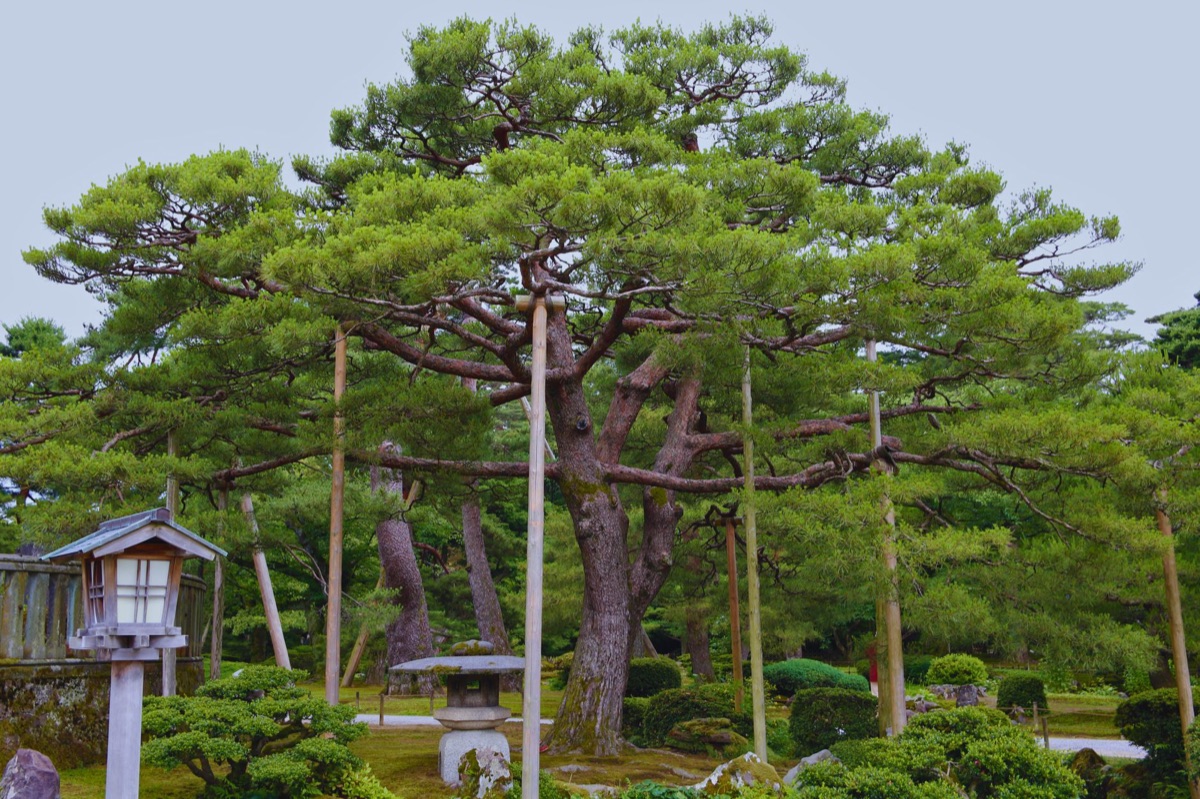
At 2:00 PM, as the sun casts long shadows across the raked sand, sitting on a wooden veranda with a cup of tea allows the world to slow down. The meticulously combed white gravel mimics the movement of waves, while static stones sit like lonely islands in a sea of sand.
The core of traditional Japanese garden design is the 'aesthetic of compression.' The ability to condense vast natural landscapes into a tiny space stimulates the viewer's imagination.
Instead of bright flowers or massive fountains, these gardens use the arrangement of rocks, the color of moss, and the flow of water to represent the laws of the universe.
This restraint offers a visual liberation for travelers weary of modern complexity, providing mental fulfillment regardless of physical size.
Traditional garden styles generally fall into two categories, each offering a different experience.
| Garden Style | Characteristics and Aesthetic Elements | Recommended Way to Observe |
|---|---|---|
| Karesansui (Dry Garden) | Uses sand and stone to represent mountains and water without actual liquid. | Static meditation and philosophical reflection. |
| Tsuboniwa (Courtyard Garden) | An intimate garden arranged within a narrow space using plants and stones. | Observing seasonal changes and the vitality of life. |
Understanding these differences allows you to read the intent behind every garden you encounter in the streets of Kyoto.
How does the changing season create living art?
In the late autumn afternoon of 2026, a single crimson maple leaf drifts down to rest on a bed of green moss. The air is crisp against your cheeks, but the vibrant colors of the garden, viewed while holding a warm bowl of matcha, warm your spirit.
A Kyoto garden is not a static landscape; it is 'living art' that shifts with the seasons. From the scattering of cherry blossoms in spring to the heavy textures of snow-covered stones in winter, gardeners plan every plant and stone placement with the seasonal cycle in mind.
This reflects a traditional view of nature: respecting and flowing with the natural rhythm. Because of this, no matter when you visit, you will encounter a different version of beauty.
Consider these seasonal elements when planning your visit:
- Spring (Late March/Early April): Much more vibrant energy with cherry blossoms and light green buds.
- Summer (July/August): Deep green moss and the refreshing coolness of bamboo groves.
- Autumn (November): The brilliant reds of maple leaves and golden foliage maximize the garden's color palette.
- Winter (January/February): The quiet beauty of white snow emphasizes the power of empty space.
These shifts remind us that a garden is not just something to watch, but a vessel that holds the passage of time.
How do I respect the tradition when I visit? On a rainy afternoon, walking carefully along wet stone paths, you might notice a temple caretaker meticulously checking the shape of a garden. It is natural to walk quietly, keeping your footsteps soft so as not to disturb the stillness.
When visiting traditional gardens, following the rules of the space is vital. Many gardens are located within temple grounds, meaning they are considered sacred. Moving the shape of the garden or touching the stones is strictly prohibited, as is loud noise.
Additionally, since many temples require you to remove your shoes, preparing clean socks is a practical necessity.
Follow these rules to honor the space:
* Stay on the Path: Never step off designated walkways or cross the boundaries of the wooden verandas. * Minimize Noise: Keep conversations to whispers and ensure phones are on silent. * Mind the Camera: Respect 'No Photography' signs strictly. * Protect the Greenery: Never step on moss or pluck plants.
This etiquette is more than just following rules; it is an expression of respect for the space and its caretakers.
A step-by-step guide to finding your own hidden gems
Walking with your map app turned off, you might suddenly find yourself at the entrance of a nameless little temple. The air smells of old wood and incense, and the sudden encounter feels like a discovery.
The true charm of Kyoto is often found at the end of a narrow alleyway rather than at a major landmark. Instead of trying to see everything, focus on staying in one garden long enough to feel its depth.
Follow these steps to find your own quiet sanctuary:
- Avoid the Main Crowds: Aim for early mornings (before 8:30 AM) or late afternoons to catch the quietest hours.
- Seek Out Small Temples: Look for smaller, lesser-known shrines that focus on intimate garden spaces.
- Understand Regional Styles: Familiarize yourself with the different vibes of areas like Arashiyama or Higashiyama.
- Leave Time for Stillness: Do not overschedule. Leave at least two hours to sit and exist within a single garden.
A garden found through this process will become one of your most precious travel memories.
A checklist to elevate your travel experience
As you pack your bags, you grab comfortable walking shoes and a light jacket. Some Kyoto alleys are paved with uneven stone, and the temperature can shift between the sun and the shade of a temple.
To ensure a successful garden tour, keep these practical needs in mind.
| Item | Preparation/Item | Reason |
|---|---|---|
| Clothing | Comfortable walking shoes and clean socks | For stone paths and entering temples. |
| Personal Items | Small towel or wet wipes | For cleaning hands or preparing for seated areas. |
| Logistics | Check accommodation and transport routes | To minimize travel time and maximize relaxation. |
| Mindset | Embracing 'Slow Travel' | To truly appreciate the static aesthetic. |
This checklist serves as a guide for both your physical needs and your mental preparation.
Limitations of the Garden Experience
It is important to note that the quietude of these gardens is not always guaranteed. During peak festival seasons or heavy tourist surges, the stillness can be interrupted by the sheer volume of people.
Furthermore, some gardens require significant physical movement or climbing stairs, which may not be suitable for those with mobility issues.
Lessons learned from the gardens of Kyoto
As the sun sets on the way back, you look back to see the shadows of the garden stretching long across the ground. The desire to chase the spectacular fades, replaced by a calm realization of the beauty in small things.
When I first traveled to Kyoto in 2024, I spent my days rushing from one massive landmark to another, feeling exhausted rather than inspired. It wasn't until I sat in a tiny, nameless courtyard in Higashiyama that I finally understood the purpose of the trip.
A journey through the hidden gardens of Kyoto teaches us the 'art of subtraction.' It shows us that instead of filling every space with more, leaving room for emptiness can be profoundly beautiful. When we return to our daily lives, this perspective can change how we view the world.
Frequently Asked Questions (FAQ)
Q: Which areas are best for finding gardens outside of the major tourist spots? A: The outskirts of Arashiyama and the narrow backstreets of Higashiyama often house smaller, quieter temples with stunning gardens.
Q: Is this type of travel suitable for solo travelers? A: Yes. Because these gardens are spaces for meditation and reflection, they are ideal for solo travelers seeking inner peace.
Q: How much does it cost to visit these gardens? A: Depending on the temple, entrance fees can range from 300 to 1,500 yen, serving as a small contribution to the garden's upkeep.
The gardens of Kyoto tell us that true beauty does not need to shout. In your next journey, instead of chasing the landmarks, try listening to the stories told by the stones and the moss.






Comments 0