Tour of Japan history UCI: Why Tourism Plays Smaller Role
This article examines the historical context of Japan's tourism landscape and the scale of its visitor arrivals to understand the environment in which large-scale events occur.
The provided data focuses on the shifting scale of international tourism in Japan, moving from historical lows to record-breaking growth. Key takeaways include the massive surge in visitor numbers by 2024 and the relative economic weight of tourism compared to other developed nations.
How has the scale of visitors to Japan changed over time?

A traveler stands at a busy terminal in Tokyo, watching crowds flow through the gates. The sheer volume of people moving through the country has shifted dramatically over the decades.
According to World Bank data, Japan recorded international tourist arrivals of 4,115,800 in 2020. This figure represents a specific moment in recent history when global mobility was restricted.
In 2010, 2.4 million arrivals made up 27% of the tourists visiting Japan. This shows how the composition of visitors has evolved over time.
The landscape of tourism in Japan has seen massive shifts. Japan received a record 36.87 million tourist arrivals in 2024, an increase of over 47% from the year prior. This rapid growth highlights the increasing popularity of the destination.
What is the economic impact of international tourism in Japan?
As the sun sets over the busy street, I grip my wallet tightly while observing the bustling tour through the city center.
An economist reviews spreadsheets comparing the GDP of various nations to see how much tourism contributes to the local economy. The numbers show a specific economic structure.
International tourism plays a smaller role in the Japanese economy compared to other developed countries. In 2013, international tourist receipts was 0.3% of Japan's GDP.
For comparison, the corresponding figure was 1.3% for the United States and 2.3% for France. These figures provide context for the economic weight of the sector.
The Japan cycling tour history is often shaped by these economic realities and the infrastructure available to support visitors. Understanding these trends helps clarify why certain regions become hubs for activity.
How does the geography of the country influence visitor movement?
A hiker looks out over a dense forest covering a steep mountain slope. The physical layout of the nation dictates where people can travel and where they congregate.
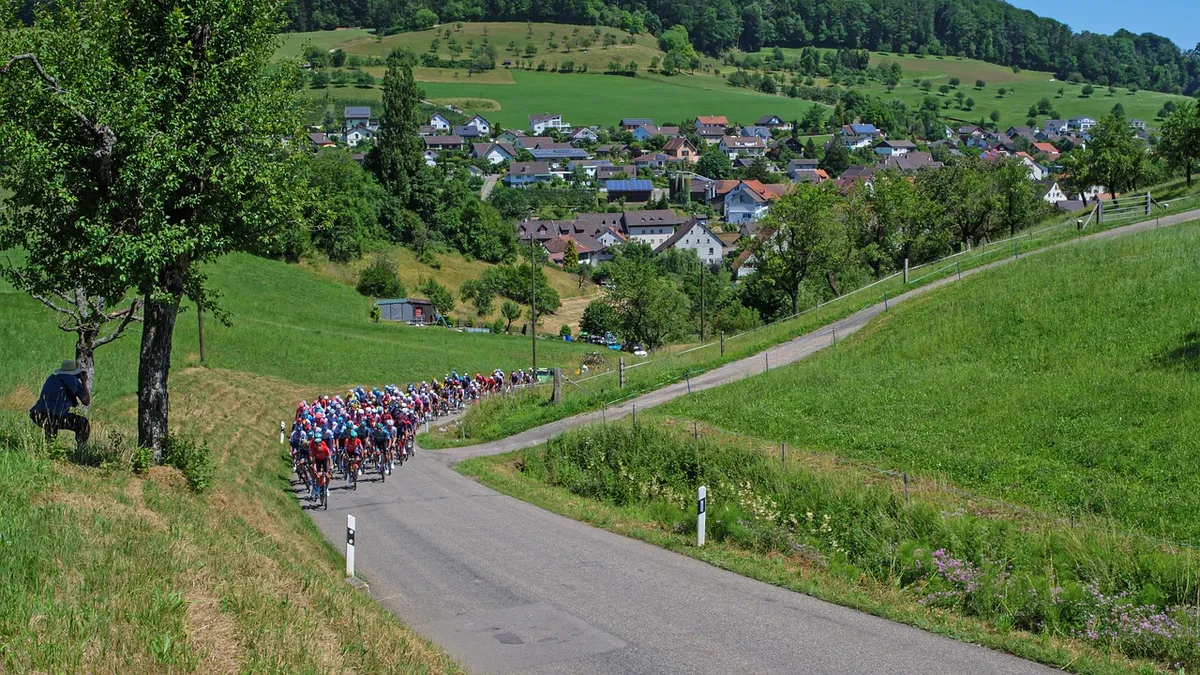
Japan is divided into 47 administrative prefectures and eight traditional regions. Around 75% of its terrain is mountainous and heavily forested, concentrating its agriculture and highly urbanized population along its eastern coastal plains.
This concentration of the population and industry creates specific corridors for movement. The Japan cycling tour history is influenced by these natural barriers and coastal developments.
The terrain affects how people move through the country. The Japanese archipelago is 67% forests and 14% agricultural.
What are the unique features of the Japanese territory?
A navigator traces the long, winding coastline on a maritime chart. The vastness of the maritime territory adds another layer to the nation's identity.
As of 2019, Japan's territory is 377,975.24 km2 (145,937.06 sq mi). This landmass is part of a larger maritime presence.
Japan has the sixth-longest coastline in the world at 29,751 km (18,486 mi). Because of its far-flung outlying islands, Japan's exclusive economic zone is the eighth-largest in the world, covering 4,470,000 km2 (1,730,000 sq mi).
The scale of the territory and its maritime reach provides a massive backdrop for national activities. The Japan cycling tour history remains tied to these physical boundaries.
How has the land been altered for human use?
An engineer inspects a newly developed coastal area where the sea meets the shore. Human intervention has shaped the available space for living and industry.
As of 2014, approximately 0.5% of Japan's total area is reclaimed land (umetatechi). This shows the extent of land modification for various purposes.
The Japan cycling tour history is often influenced by the development of these reclaimed areas and urban centers. The evolution of the country's land use is a constant factor in its development.
The UCI category changes Japan might be influenced by the availability of such developed spaces. The interplay between natural geography and human development defines the modern landscape.

- How has the scale of visitors to Japan changed over time?
- What is the economic impact of international tourism in Japan?
- How does the geography of the country influence visitor movement?
Tour of Japan history UCI
The subject here is Tour of Japan history UCI.
The same subject is also called Pro cycling Japan evolution.
The same subject is also called Tour of Japan ranking change.
This part also covers How Tour of Japan changed.
This part also covers UCI status of Japan races.
This part also covers Past Tour of Japan events.
Related






Comments 0