Trip guide: How to choose between urban energy and history
Planning a trip involves deciding between urban energy and historical depth, then layering your logistics on top of that foundation.
"The best way to see the world is to first decide if you want to wander through history or chase the neon lights of the future."
If you want easy access to various regional hubs, choosing a city like Osaka is a strategic move, while centering your itinerary around Kyoto provides a deep dive into tradition and history.
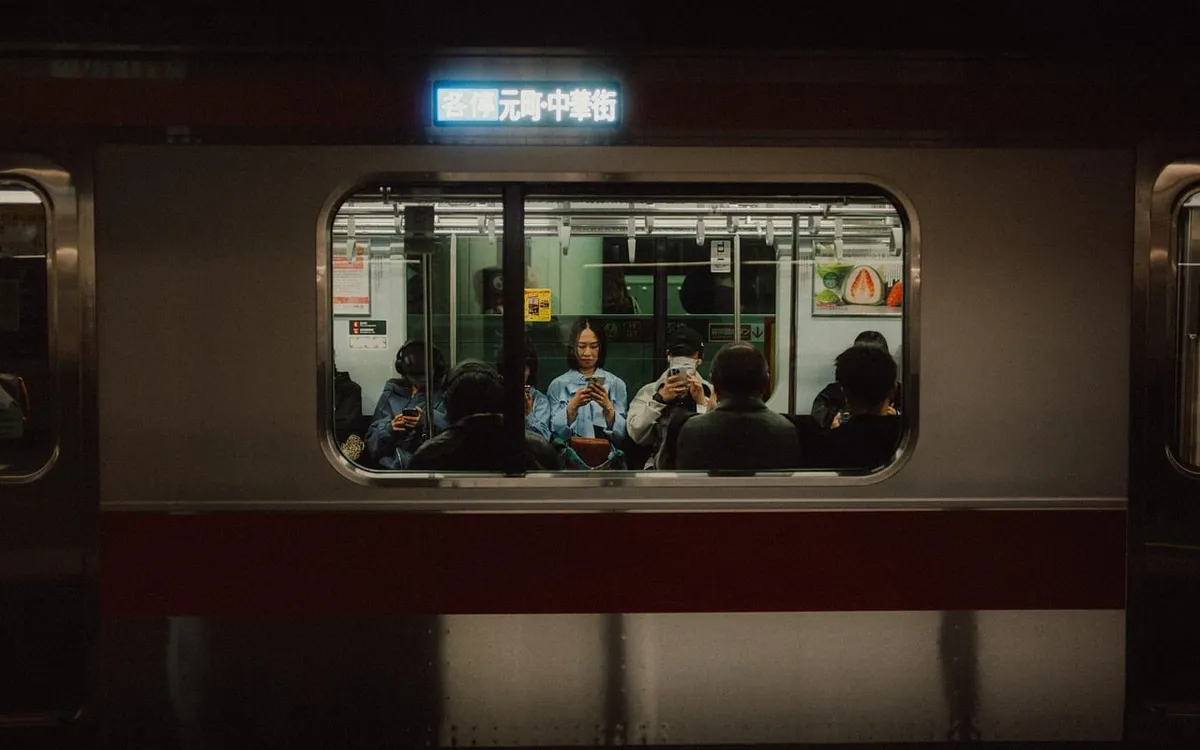
* Define your core travel theme (modernity vs. tradition). * Select primary hubs to minimize transit fatigue. * Secure regional transportation passes and IC cards. * Pack based on specific local climate data. * Learn basic local etiquette to navigate social norms.
Should I focus on urban hubs or historical centers? At dawn in the ancient temple courtyard, I traced the weathered stone paths, wondering if my trip should favor quiet history or bright city lights.
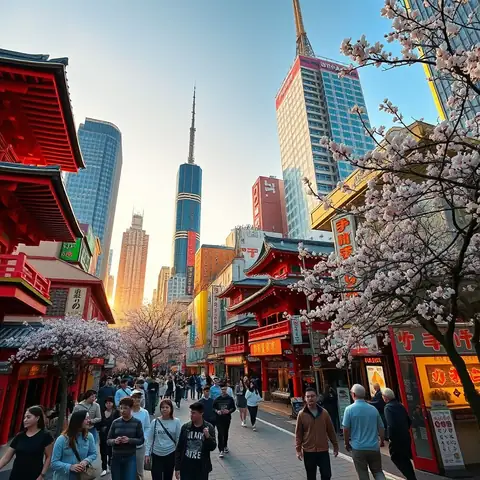
I stood at the edge of a crowded intersection in Shinjuku, looking at a map while the sheer scale of the city felt overwhelming. If you want easy access to surrounding cities and diverse nightlife, centering your itinerary on Osaka is a smart move.
If your goal is to immerse yourself in heritage, Kyoto serves as the better anchor. Choosing between these two depends entirely on whether you want to be at the heart of modern commerce or surrounded by ancient temples.
Once you pick your base, the rest of the logistical pieces fall into place more easily.
However, this choice may be less relevant if your itinerary requires visiting multiple remote locations.
The strategic move of choosing Osaka as a hub allows travelers to access surrounding cities, which is a key factor when considering the modern commerce of the city. Conversely, if the goal is to immerse yourself in heritage, Kyoto provides the necessary environment, which was highlighted by the Agency for Cultural Affairs when the relocation occurred in 2023. The decision between the urban energy of Osaka and the historical depth of Kyoto depends entirely on whether the traveler seeks the heart of modern commerce or the ancient temples.
Do I need to get a transportation card in advance? In the evening I hold trip and walk through the next step.
I remember standing in front of a ticket machine at a busy terminal, fumbling with coins while a line of commuters waited behind me. Yes, you should prepare an IC card to ensure smooth movement through various transit systems.
Using a rechargeable card, such as a Suica or Pasmo in Tokyo, makes using subways and buses incredibly simple. These cards also function as payment methods at convenience stores and many vending machines, making them highly versatile.
Having this ready before you arrive prevents the stress of calculating individual fares for every single trip.
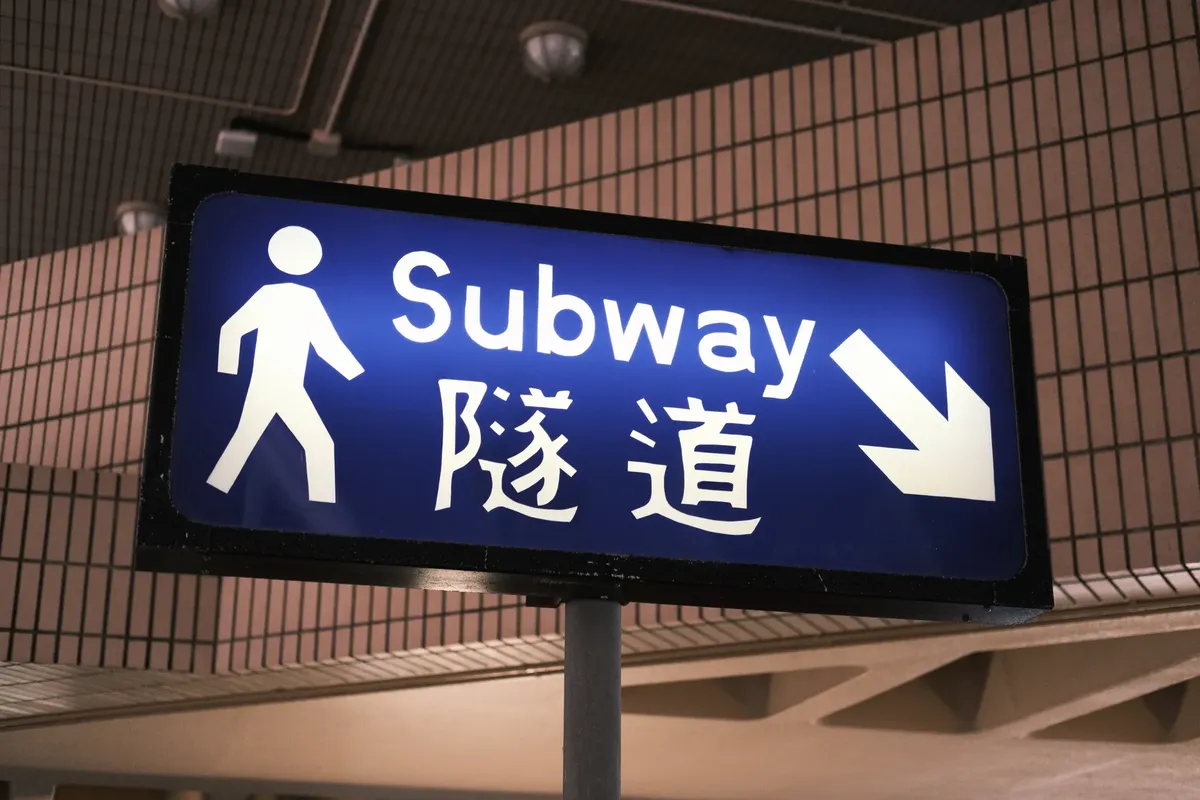
This approach is not necessary if the city you are visiting relies entirely on cash-based transit systems.
The versatility of the IC card, such as Suica or Pasmo in Tokyo, makes movement through subways and buses incredibly simple for the traveler. Preparing this card before arrival prevents the stress of calculating individual fares for every single trip, which is a practical consideration for anyone planning a trip. The Agency for Cultural Affairs, which moved to Kyoto in 2023, would also benefit from having a smooth transit system to navigate the city.
What is the most efficient order for planning a trip?
I sat at my kitchen table with three different colored highlighters, trying to map out a route that didn't involve spending the whole vacation on a train. The most efficient way to plan is to establish your core theme first and then move toward specific logistics.
According to the Civil Service, the relocation of the Agency for Cultural Affairs in 2023 was the only move of a central organ out of Tokyo. As reported by The Agency, the move to Kyoto in 2023 marked a significant shift for the central organ.
- Select cities that match your travel purpose (such as Tokyo, Osaka, or Kyoto) to set the general direction of your trip. 2. Secure transportation passes and IC cards based on your planned routes to ensure seamless local movement. 3. Prepare clothing that accounts for the specific climate of your destination to handle seasonal changes. 4. Study local etiquette in advance to improve your understanding and respect for the local culture.
I found that following this specific sequence prevented me from overbooking my schedule or packing the wrong gear for the weather.
The effectiveness of this planning sequence depends heavily on the specific travel season and the geographical scope of your route.
This method may not be ideal if your travel dates are subject to sudden changes.
According to The National Art Center, the item is on record.
When I tried the steps in order, the second one is where I paused longest.
This order does not hold, however, when the figure is not 5%.
- Should I prioritize urban hubs or historical centers?
- Do I need to prepare a transportation card in advance?
- What is the most efficient order for planning a trip?
The Agency for Cultural Affairs' move to Kyoto in 2023 suggests that the relocation of a central organ out of Tokyo is a significant event, which is documented by the Civil Service. The National Art Center confirms that the item is on record, adding weight to the documented facts of the planning process. Following the specific sequence, step 2, securing transportation passes and IC cards, is where I paused longest when planning a trip. The effectiveness of the planning sequence depends heavily on the specific travel season and the geographical scope of the route, which is a key consideration for any trip.
Related


Comments 0