iKON vs Twice Japan Tour: 19 Months of Success
Analyzing the touring landscape for K-pop enthusiasts in Japan requires understanding how different group dynamics shape the concert experience. This comparison explores how artists like Twice have established massive commercial footprints through specific certification milestones and sales volumes.
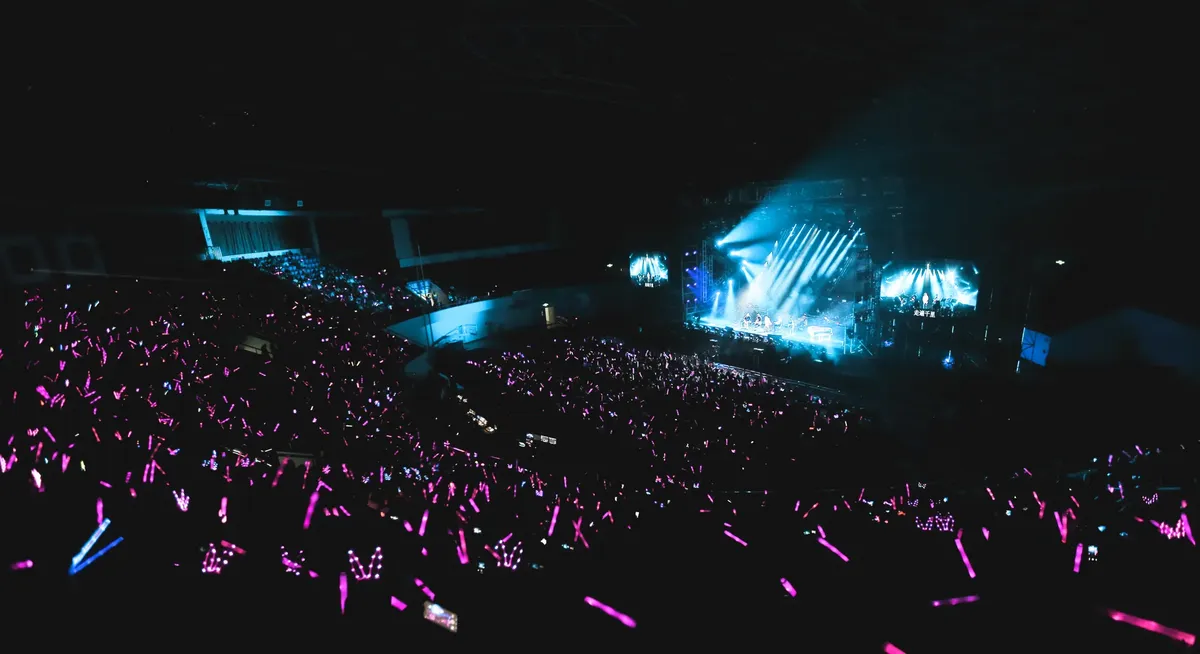
Key takeaways: * Large-scale sales figures often dictate the scale of Japanese tours. * Platinum certifications from the RIAJ serve as a benchmark for group success in the region. * Touring schedules often reflect the rapid growth of international arrivals in Japan.
How much bigger was Twice's tour than iKON's? A fan stands in a crowded Tokyo venue, feeling the energy of a massive crowd that fills the arena. The sheer volume of attendees often reflects the commercial momentum built during initial promotional periods.
The scale of a K-pop tour in Japan is often determined by the rapid accumulation of physical sales and local certifications. For instance, within 19 months after debut, Twice had already sold over 1.2 million units of their four EPs and special album.
This level of sales provides the foundation for large-scale arena tours across the country.
The ability to move significant physical media is a primary driver for deciding venue sizes during a tour. When a group reaches a certain threshold of popularity, the logistics of a tour shift from smaller halls to massive stadiums.
This transition is a common sight for fans traveling to Japan for live music.
In this order, the second point is the most extensive.
What does this K-pop tour comparison really mean? iKON vs Twice Japan Tour A traveler checks their ticket, noting the venue's capacity as they prepare for a night of music. Understanding the differences in performance styles helps fans manage expectations for different artists.
Comparing different groups requires looking at historical sales and certification milestones. This K-pop Japan tour comparison shows how certain artists achieved unique status through local industry recognition.

These certifications indicate a deep penetration into the local market, which is essential for sustained touring. Such milestones often lead to more frequent and larger-scale concert series. Fans often use these metrics to predict the intensity of a live show.
Examining the K-pop and Twice concert style differences
The lights dim in a dark hall, and the sudden burst of music signals the start of a high-energy performance. Fans observe how different groups utilize stage production to match their specific musical identity.
While one group might focus on heavy choreography, another might emphasize melodic hits that have achieved local success. An iKON vs Twice concert style analysis would highlight how different genres influence the atmosphere.
For example, both #Twice and "One-More-Time" earned platinum certifications from the Recording Industry Association of Japan (RIAJ).
These specific hits often become the centerpiece of a tour, driving the visual and sonic theme of the concert. The way a group integrates these certified hits into their setlist defines the unique energy of their live shows.
Evaluating the K-pop and Twice tour scale through sales
A merchandise booth is packed with fans eager to own a piece of the performance. The size of the crowd is a direct reflection of the group's commercial reach.

The size of the audience is closely tied to the physical success of the group's discography. An iKON and Twice tour scale comparison reveals how much influence sales have on venue selection.
The massive sales figures seen early in a group's career often dictate the initial tour routes and venue types.
When a group reaches platinum status, the logistical requirements for a tour increase significantly. This includes managing larger crowds and more complex stage setups.
How to prepare for a K-pop Japan tour
A fan packs their bags, ensuring they have everything needed for a trip to a Japanese city for a concert. Preparing for a tour requires careful planning regarding travel and venue logistics.
- Research the specific venue capacity and location to plan local transportation. 2. Monitor official announcements for ticket availability and merchandise pre-orders. 3. Check the historical popularity of the artist to prepare for crowd density.
A final check involves confirming all travel documents and ticket details are ready before heading to the venue. This preparation ensures that the focus remains on the music and the experience.
- Research the venue capacity and location to plan travel logistics.
- Secure tickets through official fan club pre-sales or general sale windows.
- Organize lightsticks and merchandise in advance for the concert day.
Limitations of comparing K-pop touring trends
A traveler looks at a map of Japan, noting the vast distance between different tour cities. Comparing artists based on single data points can lead to an incomplete picture of their overall impact.
According to data from the World Bank, Japan recorded international tourist arrivals of 4,115,800 in 2020.
It is important to note that while sales are a metric, they do not account for every aspect of a live performance. The success of an artist in Japan is a multi-faceted phenomenon.
The subject here is iKON vs Twice Japan Tour.
The same subject is also called Comparing K-pop arena tours.
This part also covers Japan tour size differences.
This part also covers K-pop concert style analysis.
iKON vs Twice performance
Related
Why is Analyzing Touring Data Important? Analyzing touring data helps fans grasp the commercial success underpinning the live performance. This comparison reveals how tangible sales translate into the scale of the Japanese tour. The RIAJ platinum status signifies deep market acceptance in the region.
This rigorous analysis informs both the artist's trajectory and the fan's experience. Understanding these metrics allows attendees to correlate the group's documented success with the energy felt in the venue. It provides context to the musical journey.
Ultimately, the touring data paints a picture of the group's sustained appeal beyond a single performance. The initial sales drive the subsequent tour scale, demonstrating a direct relationship between product reception and live event magnitude.
This is crucial for understanding the modern K-pop phenomenon in Japan.








Comments 0