Tokyo Day Trip Guide to Serene Nature Escapes Near City
This article is about Escapes. "The best way to escape the neon glare of Shinjuku is to step into the quiet shade of an ancient cedar forest."
If you want to escape the overwhelming energy of central Tokyo, a day trip to the outskirts offers a refreshing change of pace through nature and history.
This guide focuses on finding balance between urban chaos and serene landscapes, covering specific destinations like Kamakura and Hakone, providing transport tips, and noting when these trips might be too taxing for a tight schedule.
* Contrast urban life with natural escapes. * Master the transit between Tokyo and its suburbs. * Discover historical sites and scenic landscapes. * Learn when a day trip might not be the best choice.
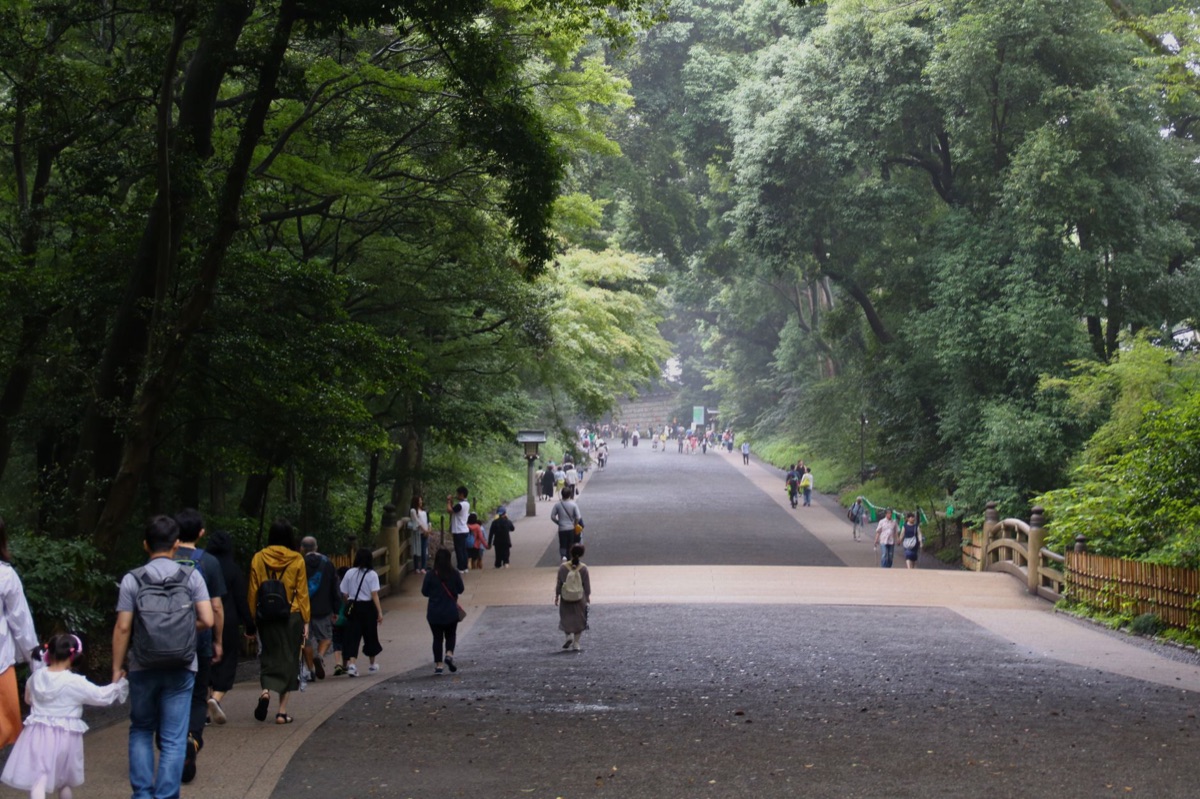
Why seek the quiet of Kamakura?
The morning air in Kamakichi feels different, cooler and heavier with the scent of salt and pine. You stand before the Great Buddha, feeling the massive bronze presence soak in the sunlight.
Kamakura serves as the perfect coastal retreat for those needing a break from the high-rise intensity of Shibuya or Ginza. This seaside town offers a blend of Zen temples, historic shrines, and a relaxed atmosphere that feels worlds away from the metropolitan core.
It is an ideal destination for travelers seeking spiritual reflection or a walk along a sandy coastline.
The town is famous for its historical significance as the former political center of Japan. Walking through the narrow streets, you can see how the mountainous terrain meets the sea, creating a unique layout.
Unlike the sprawling urbanity of Tokyo, Kamakura is compact and walkable, making it easy to explore multiple sites in a single afternoon.
| Feature | Tokyo Central | Kamakura |
|---|---|---|
| Atmosphere | High-energy, neon, crowded | Serene, historical, coastal |
| Primary Activity | Shopping, dining, nightlife | Temple visiting, hiking, beach walks |
| Transport | Subway and massive train hubs | Local lines and coastal trains |

How do I reach the mountains of Hakone?
The train ride toward Hakone involves watching the city skyline slowly dissolve into rolling green hills. You sit by the window, watching the urban density give way to the misty silhouettes of Mount Hakone.
Hakone is a premier destination for those looking to experience volcanic activity and hot springs. It is a versatile area that offers everything from lake cruises to mountain-top views.
The town is designed around the natural topography, making it a distinct departure from the flat, dense streets of Tokyo.
Accessing this area typically involves a combination of express trains and local mountain transport. The journey itself is part of the experience, as the landscape shifts dramatically.
It is a great choice for travelers who want to see the intersection of volcanic geography and traditional Japanese hospitality.
One of the most famous ways to see the area is via the Hakone Ropeway. As you glide over the steaming vents of Owakudani, the sulfurous scent reminds you of the active volcanic nature of the land. This provides a perspective on the earth that you simply cannot find in the city.
What are the best ways to travel between Tokyo and its suburbs?
Checking the ticket machine at Shinjuku Station involves a quick scan of various colorful lines and complex maps. You hold your IC card, ready to tap through the gates.
Navigating the transit system is the most critical skill for a successful day trip. Most major outskirts are accessible via specialized express trains or regional rail lines that depart from major hubs like Tokyo Station, Shinjuku, or Shibuya.
Understanding the difference between local lines and limited express services is key to managing your time.
To make your travel seamless, follow these essential steps:
- Acquire a reliable IC card: Use a Suica or Pasmo card to tap in and out of stations effortlessly across most of Japan. 2. Identify the correct express service: Determine if your destination requires a limited express train, which may require an extra seat reservation fee. 3. Check the local transit connection: Many scenic areas require switching from a major line to a local bus or a smaller mountain railway. 4. Download a transit app: Real-time updates are vital for checking platform numbers and departure delays.
While the efficiency of the rail network is legendary, it is important to remember that some rural routes have much less frequent service than the Tokyo metro. If you miss a connection in a mountainous area, you might wait an hour or more for the next one.
I remember standing on a platform in late autumn, watching the orange leaves fall as a local train pulled in. The silence of the station was a stark contrast to the constant hum of the Yamanote Line I had left behind just two hours earlier.
Can I visit these places in a single day?
The sun begins to set over the coastline, casting long shadows across the temple gardens. You realize that you have covered a lot of ground, but you still feel energized.
A day trip is feasible for most single destinations, but attempting to visit both Kamakura and Hakone in one day is generally too much. The travel time between these two areas can eat up a significant portion of your daylight hours. It is better to pick one direction and focus your energy there.
If you are looking for a quick escape, Kamakura is much more accessible for a quick turnaround. Hakone, due to its more complex transit requirements and the sheer scale of its attractions, usually requires a full day or even an overnight stay to truly enjoy.
There are certain limitations to these trips. If you have limited mobility or are traveling with very young children, the steep hills of Kamakura or the stairs and transfers in Hakone might be physically demanding. Always consider your physical stamina before committing to a heavy walking itinerary.
According to The Agency, the item is on record.
According to Civil Service, the item is on record.
When I tried the steps in order, the second one is where I paused longest.
However, this does not apply in every situation.
Yes, the transit systems in both Kamakura and Hakone are well-organized and highly efficient. Using an IC card like Suica or Pasmo makes moving between different train lines and buses very simple.
Related

Comments 0