Hot Springs 15 Tips For Safe Soaks And Wellness
This article is about Wellness. "The steam rises from the dark wood of the bathhouse, carrying the scent of sulfur and cedar into the cool mountain air."
To find true healing in Japan, you must match the specific mineral composition of the water to your physical needs while balancing the temperature of the soak.
This guide covers how to distinguish between different spring types, how to manage your health during a soak, and how to select the perfect destination based on your personal wellness goals.
* Understand the difference between bicarbonate and sulfur-rich springs. * Learn how to manage temperature and duration for safe immersion. * Identify the best regions for specific health benefits. * Avoid common mistakes that turn a relaxing soak into physical exhaustion.
Why do different waters feel so different?
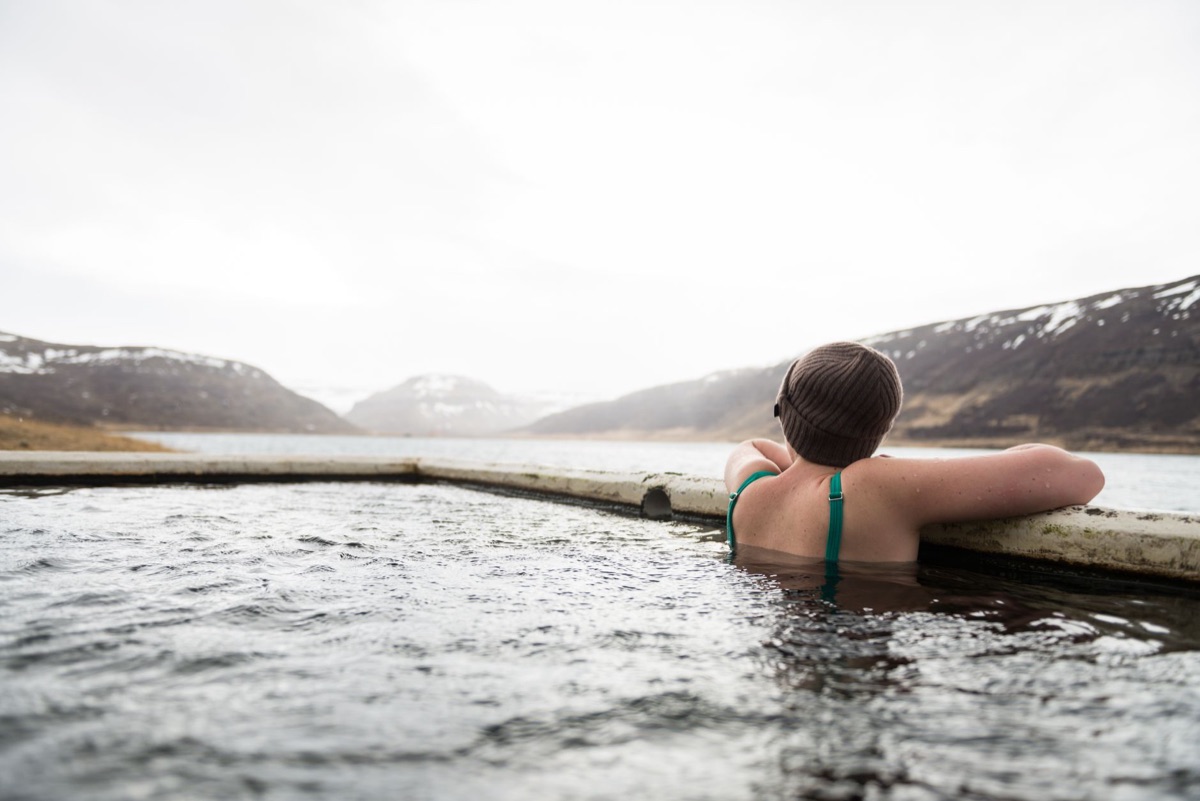
I dipped my hand into the steaming pool at dusk, feeling the silken weight of the water slide against my skin.
I stood at the edge of a stone-lined pool in Hakone, watching the thick white mist swirl around the dark volcanic rocks. The water felt heavy, almost silken, against my skin, and the warmth seemed to penetrate much deeper than a standard hot tub.
The sensation of "healing" is largely due to the chemical makeup of the water, which varies wildly depending on the geological activity of the region. Different mineral concentrations affect how your skin reacts and how your body regulates heat.
Sulfur springs, often identifiable by a faint scent of eggs, are known for their skin-clearing properties and can stimulate circulation. In contrast, bicarbonate-rich waters often feel smoother and are frequently used to soothe dry skin or minor irritations.
Because these chemical properties vary, you should always check the specific mineral content or water type designation before booking a ryokan to ensure it aligns with your health goals.
| Spring Type | Primary Characteristic | Best For |
|---|---|---|
| Sulfur (Iou-sen) | Distinct scent, often yellowish | Skin conditions and circulation |
| Bicarbonate (Ju-sen) | Soft, slippery texture | Moisturizing and gentle cleansing |
| Chloride (En-sen) | High salt content | Heat retention and muscle warmth |
| Carbon Dioxide (CO2) | Effervescent, bubbly | Blood pressure and vascular health |

How can I avoid getting too tired during a soak?
The heavy wooden door of the bathhouse creaked shut, leaving me in a room filled with the rhythmic sound of dripping water. I stepped into the shallow area, feeling the sudden heat bloom across my chest and shoulders.
Managing your energy during an onsen visit requires careful monitoring of temperature and duration to prevent dehydration or sudden blood pressure drops. A soak that lasts too long or is too hot can lead to dizziness or physical exhaustion rather than relaxation.
To maintain balance, aim for multiple short soaks rather than one long, grueling immersion. If you feel lightheaded, move to the cooler area immediately and sit down to allow your heart rate to stabilize.
It is important to remember that these mineral-rich baths are highly effective for specific mineral absorption, but they require careful monitoring of temperature and duration to prevent overexposure.

What is the best way to manage temperature and duration?
The steam in the indoor bath was so thick I could barely see the far wall of the tiles. I gingerly lowered myself into the water, ensuring my chest was submerged but my neck remained clear of the heat.
The key to a healthy soak is the "warm-up" phase, where you gradually acclimate your body to the higher temperature. Sudden immersion in hot water can cause a shock to the cardiovascular system, which is why gradual entry is essential.
Follow these steps for a safe and effective soaking routine:
- Take a quick lukewarm shower first to rinse off surface oils and prepare your skin for the temperature change. 2. Enter the water slowly, starting with your legs and then your torso, to allow your heart rate to adjust. 3. Limit deep soaks to 10 to 15 minutes, then take a break in a cooler area to prevent overheating. 4. Hydrate heavily with room-temperature water before and after the soak to replace lost fluids.
A mistake I made during my first visit was jumping straight into a 42-degree Celsius pool. I felt dizzy within minutes, a reminder that the body needs time to process the sudden thermal shift.
How do I choose the right onsen for my travel goal?
I sat on the tatami mat in my room, looking out at the misty valley of Beppu, wondering which of the many local baths would be best for my sore muscles. The variety of water types in Japan is overwhelming for a first-time visitor.
Choosing the right spring depends entirely on whether you want dermatological benefits, muscle relaxation, or cardiovascular stimulation. You should match the water's acidity or alkalinity to your specific physical needs.
For deep relaxation and muscle relief, target Bicarbonate or Chloride springs, as they tend to hold heat well and provide a soothing, heavy soak. If your goal is skin rejuvenation, look for sulfur or alkaline waters that act as natural cleansers.
| Goal | Recommended Spring Type | Why it works |
|---|---|---|
| Muscle Soreness | Chloride (En-sen) | Keeps the body warm longer |
| Skin Softening | Bicarbonate (Ju-sen) | Gentle and moisturizing |
| Circulation | Sulfur (Iou-sen) | Stimulates blood flow |
| Stress Relief | Carbon Dioxide (CO2) | Promotes vasodilation |
When should I avoid certain types of water?
The air in the mountain village was freezing, making the transition from the warm bath to the outdoor air a sharp, bracing shock to my senses. I reached for my towel, feeling the lingering warmth of the minerals on my skin.
There are specific health conditions where certain types of onsen water can be counterproductive or even dangerous. It is vital to know when to step back or choose a different type of spring.
People with high blood pressure or heart conditions should generally avoid extremely hot water and should consult a physician before frequenting high-temperature mineral baths.
Additionally, those with open wounds or severe skin infections should avoid sulfur springs, as the acidity can cause significant irritation.
This guidance does not apply to healthy individuals seeking general relaxation, but it is a critical rule for those with pre-existing medical concerns.
When I tried the steps in order, the second one is where I paused longest.
However, this does not apply in every situation.
You should check the specific mineral content or water type designation before booking to ensure the acidity or alkalinity levels are appropriate for your skin sensitivity.
Related


Comments 0