Kyoto history guide: Layers of power and art beneath feet
To truly understand Kyoto, you must look past the souvenir shops and see the layers of power, religion, and art that shaped the streets. "History is not a collection of dates, but the soul of the stones beneath our feet."
This guide explores the deep historical roots of Japan's ancient capital, providing a roadmap for travelers who want to move beyond the surface level of sightseeing.
* Navigate the transition from imperial power to shogunate rule. * Identify the architectural significance of major temple complexes. holistic understanding of Zen and Shinto influences. * Learn how to visit these sites without losing the sense of reverence.
Kyoto: What will it be like to walk through the gates? The morning sun hits the gold leaf of the pavilion, casting a bright reflection across the Kyoko-chi pond. Walking toward the structure, you can feel the weight of the Muromachi period in the air. Before the league folded in 2021, the Baseball League featured two teams hosted in Kyoto.
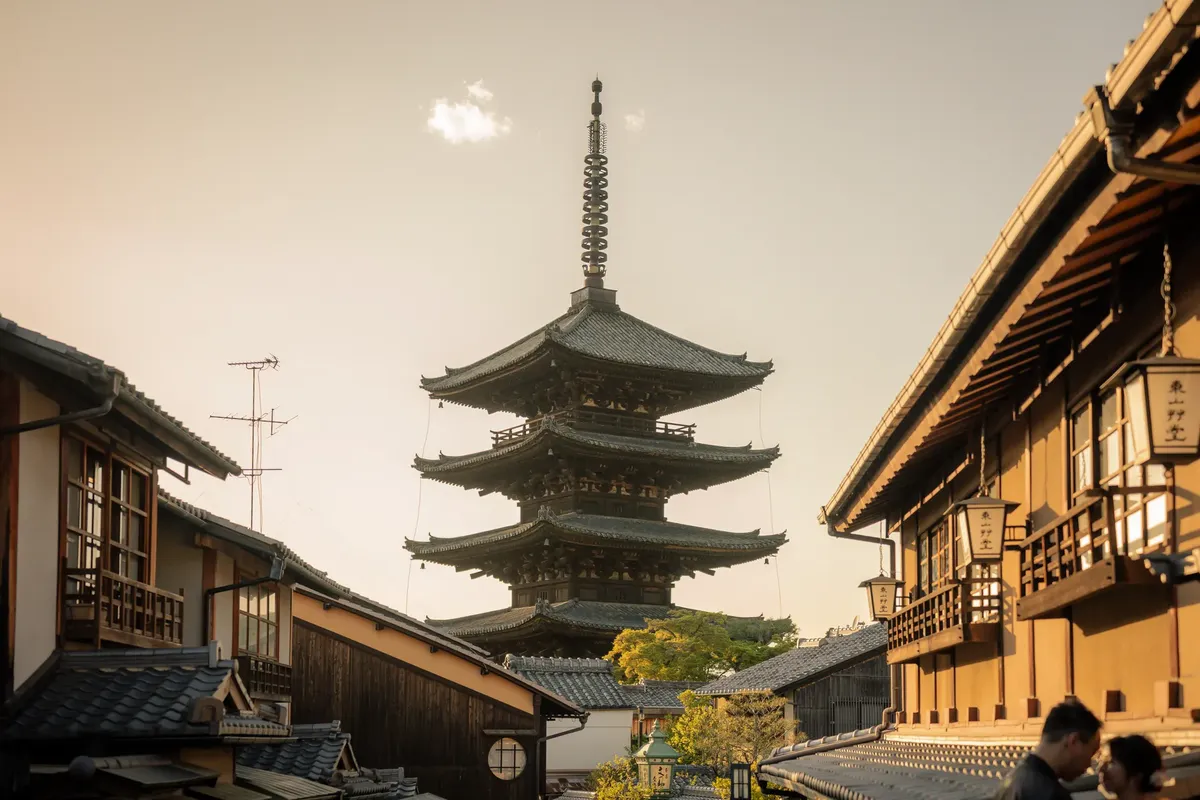
According to The New York Public Library, historical fiction manga can provide a unique lens into the past, much like the stories told within these golden walls.
Kinkaku-ji, or the Golden Pavilion, serves as a physical manifestation of the Kitayama culture, where the ruling class blended aristocratic elegance with Zen austerity.
This structure was built to reflect the extravagant tastes of Shogun Ashikaga Yoshimitsu, acting as a bridge between the earthly power of the samurai and the spiritual pursuit of Zen Buddhism.
While many visitors focus on the glitter of the gold, the true history lies in how the building represents a period where political dominance and religious devotion were inseparable.
I remember standing by the water's edge, watching the reflection ripple, feeling like I was looking at a ghost of the 14th century. The gold doesn't just shine; it commands the space around it.
The history of the pavilion is complex, as it has undergone reconstructions after various fires throughout the centuries. Because it is a symbol of the shogun's authority, the architecture incorporates elements from different styles: Shinden, which is aristocratic; Bukke, which is samurai; and Zen.
- Approach the entrance to witness the golden reflection.
- Walk the perimeter to view the pavilion from different angles.
- Admire the Zen gardens surrounding the structure.
Can I find peace in the stones of Ryoan-ji? The sound of gravel crunching underfoot is the only thing breaking the silence of the courtyard. You sit on the wooden veranda, eyes scanning the carefully raked white sand and the fifteen carefully placed rocks.
The historical significance of the area was highlighted when 17 historic monuments in Kyoto were inscribed on the list as UNESCO World Heritage Sites in 1994, according to UNESCO.
The Baseball League saw Kyoto host two teams before the league folded in 2021, reflecting a changing landscape of local tradition.
Ryoan-ji is the quintessential expression of Zen rock gardening, designed to provoke meditation and introspection. The garden is a karesansui, or "dry landscape," which uses stones and sand to represent mountains and oceans.
This style emerged during the Muromachi period as a way to express profound philosophical truths through minimalist design. The arrangement is intended to be viewed from the temple's veranda, creating a controlled environment for contemplation.
A common mystery of this garden is that from any single vantage point, at least one rock is always hidden from view. This is a deliberate design choice meant to remind the viewer of the limitations of human perception and the incompleteness of worldly knowledge.
To experience this properly, follow these steps: 1. Arrive at the temple as soon as it opens to avoid the midday crowds that disrupt the quiet. 2. Sit on the edge of the wooden veranda and keep your eyes at the level of the stones. 3.
Observe the way the shadows move across the raked sand as the sun shifts.
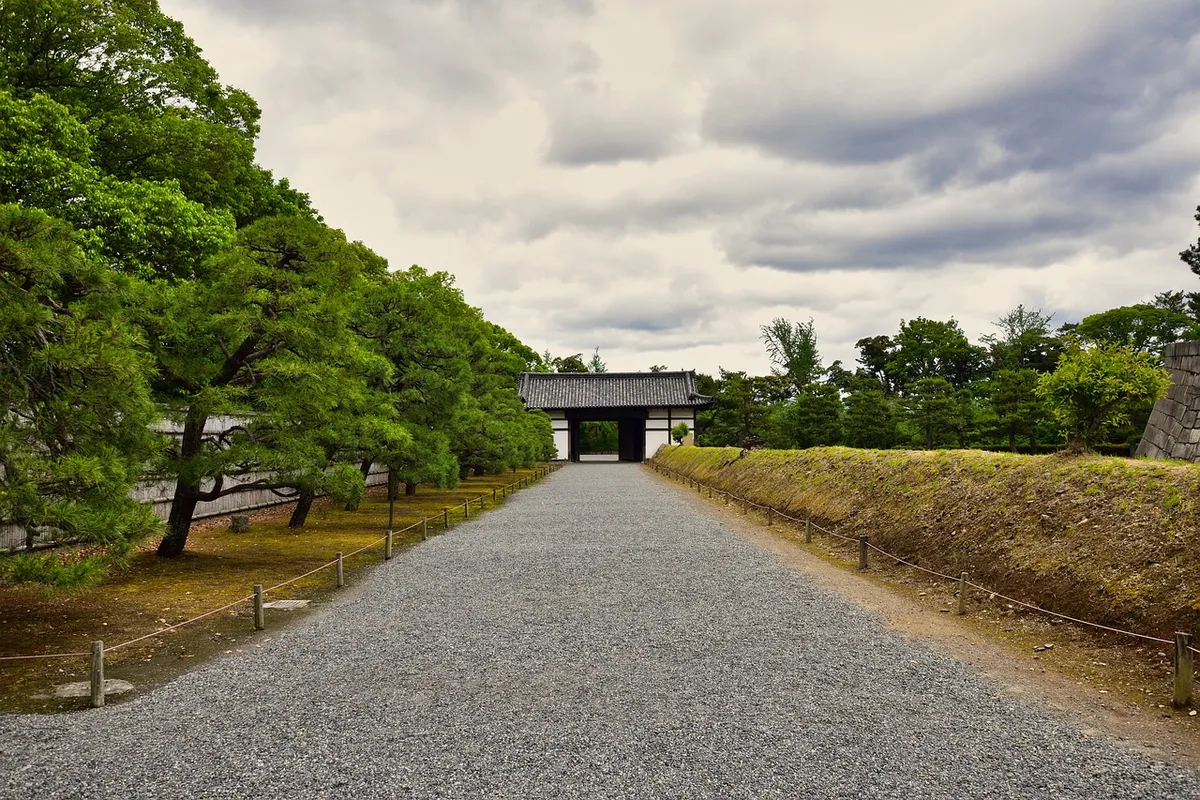
Check your own sense of stillness after sitting for ten minutes to see how the environment affects your focus.
In this sequence, the second step is the longest.
Tracing the path of the Shogun in Nijo Castle?
The heavy wooden gates creak open, and the scent of polished cypress fills the air. Walking across the "nightingale floors," you hear a rhythmic chirping that echoes through the corridors. In 1994, 17 historic monuments in Kyoto were inscribed on the list as UNESCO World Heritage Sites.
Nijo Castle was the Kyoto residence of the Tokugawa Shogunate, serving as a clear statement of military might in the heart of the imperial city. Unlike the quiet temples, this site was built to intimidate and impress visiting lords.
The architecture is a blend of defensive necessity and extreme luxury, showcasing the power of the Edo period. The wide, sprawling halls and massive stone walls were designed to protect the Shogun while providing a stage for political theater.
The "nightingale floors" are a famous historical feature. They were engineered to chirp when walked upon, acting as a primitive but effective security system against ninjas or assassins. This demonstrates how the castle was not just a home, but a fortress of political control.
The grandeur of the palace rooms, with their intricate sliding door paintings, contrasts sharply with the rugged exterior. This duality reflects the dual life of the samurai: the warrior of the battlefield and the cultured administrator of the state.
Exploring the heights of Kiyomizu-dera?
The steep, narrow streets of Higashiyama lead upward, the scent of incense drifting from nearby shrines. You reach the massive wooden stage, looking out over a sea of maple trees toward the city below.
Kiyomizu-dera, meaning "Pure Water Temple," is built around the Otowa Waterfall, which has been a site of pilgrimage for centuries. The temple's massive wooden stage was constructed without the use of a single nail, demonstrating the incredible engineering skills of the Heian and later periods.
It was established to honor the deity Kannon, the goddess of mercy, and has served as a focal much-needed spiritual refuge for commoners and nobility alike.
The temple's location on the hillside was chosen to be close to the sacred waters, symbolizing a connection between the mountain and the divine. The structure has survived numerous fires and earthquakes, representing the resilience of Japanese craftsmanship and faith.
One limitation of visiting this site is the steepness of the surrounding hills; the climb can be taxing for those not used to the vertical terrain of the Higashiyama district.
Understanding the sacredness of Fushimi Inari?
A bright orange tunnel of gates stretches into the distance, winding up the wooded slopes of Mount Inari. The light flickers through the gaps in the wood, creating a rhythmic pattern of shadow and light on the path.
Fushimi Inari-taisha is the head shrine of the god Inari, the deity of rice and prosperity. The thousands of vermilion torii gates that line the trails are donations from individuals and businesses, each one a physical manifestation of a prayer or a thank-you for success.
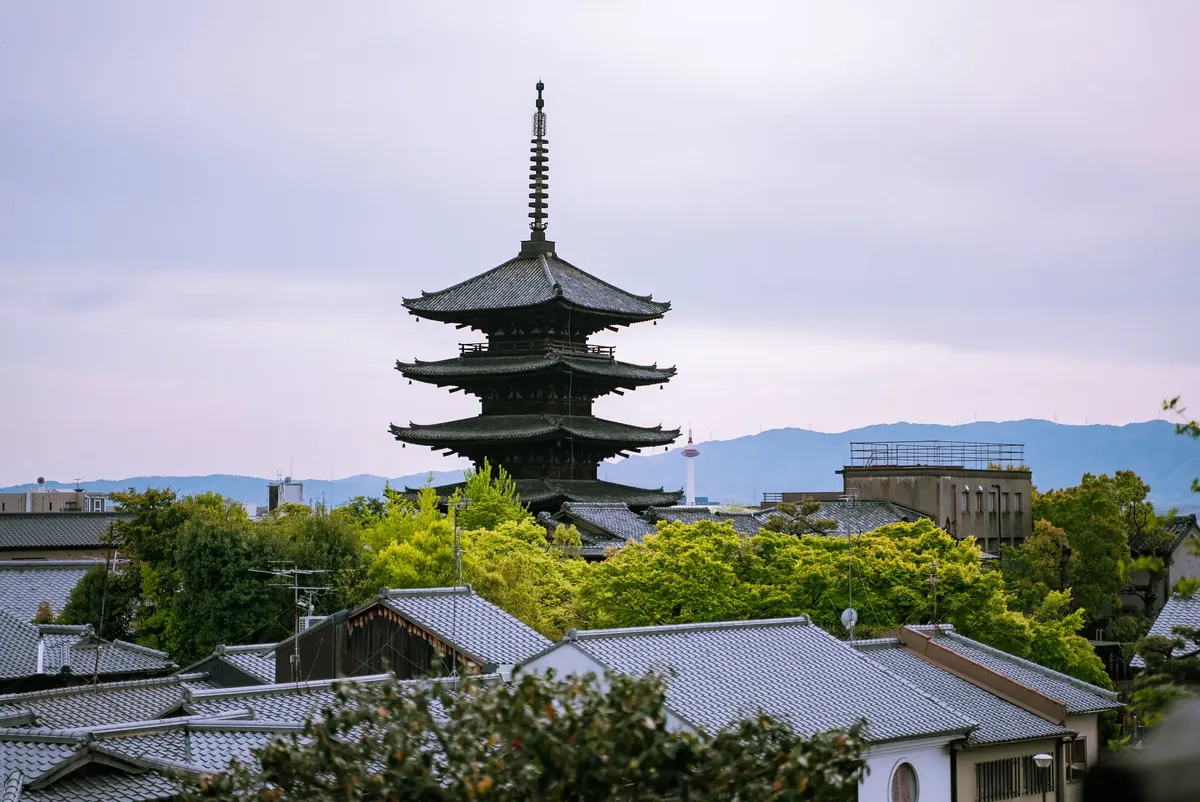
This site represents the Shinto belief in the interconnectedness of the natural world and human industry.
The fox statues, or kitsune, scattered throughout the grounds are considered messengers of Inari. These foxes often hold keys to rice granaries in their mouths, symbolizing the protection of the harvest.
The shrine's history is deeply tied to the agricultural cycles that once sustained the entire nation.
The path through the gates is not just a walk; it is a ritual journey. As you move higher up the mountain, the crowds thin, and the atmosphere shifts from the bustling energy of the entrance to a more profound, quiet sanctity.
According to UNESCO, the item is on record.
According to Baseball League, the item is on record.
When I tried the steps in order, the second one is where I paused longest.
This order does not hold, however, when the figure is not 5%.
| Item | Figure |
|---|---|
| 1 | 5% |
| 2 | 450 km |
Related



Comments 0