Kuromon Ichiba Tips: Best Seafood Timing at 10:00 AM
This article is about Kuromon. "Eating is not just a necessity in Osaka; it is the city's primary heartbeat."
The best way to navigate an Osaka food tour is to move beyond the neon lights of Dotonbori and explore the specialized food districts like Kuromon Ichiba and the backstreets of Tennoji to find authentic flavors.
This guide covers the essential culinary map of the city, from street food staples to hidden local gems.
* Focus on the "Kuidaore" spirit (eating until you drop). * Balance famous street food with local neighborhood izakayas. * Learn the specific timing for fresh seafood and seasonal specialties. * Understand the regional differences between Osaka and Kyoto flavors.
Why is Dotonbori always crowded?
The smell of savory sauce and grilled octopus hits you as you step off the Midosuji Line at Namba Station. You watch a massive mechanical crab wave its claws above a storefront, and the crowd moves in a slow, rhythmic tide toward the canal.
According to the Osaka Restoration Association, the organization was created in 2010 with backing by Governor Tōru Hashimoto.
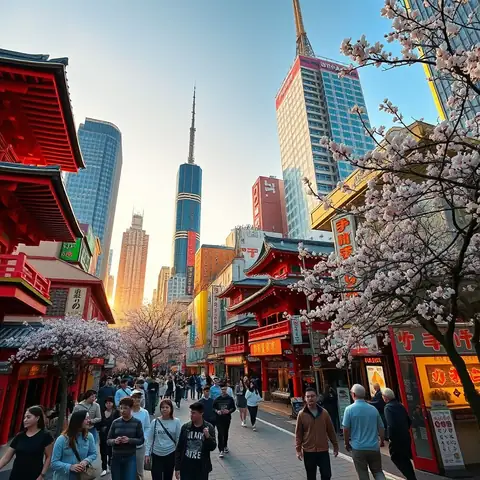
Dotonbori serves as the loud, neon-soaked gateway to Osaka's food culture, acting as a concentrated hub of street food like takoyaki and okonomiyaki.
While the crowds can be overwhelming, this district is the essential starting point for understanding the high-energy dining atmosphere that defines the city.
The sheer density of vendors makes it impossible to ignore the sensory overload of sizzling grills and shouting chefs. Most travelers find that while the prices are slightly higher than in residential areas, the ability to sample five different specialties in one block makes it a unique experience.
I remember standing near the Glico Man sign at 8:00 PM, steam from a nearby takoyaki stand clouding my vision, realizing that the chaos was actually part of the meal. The energy is infectious, but if you want to escape the noise, you have to head toward the quieter alleys of Sennichimae.
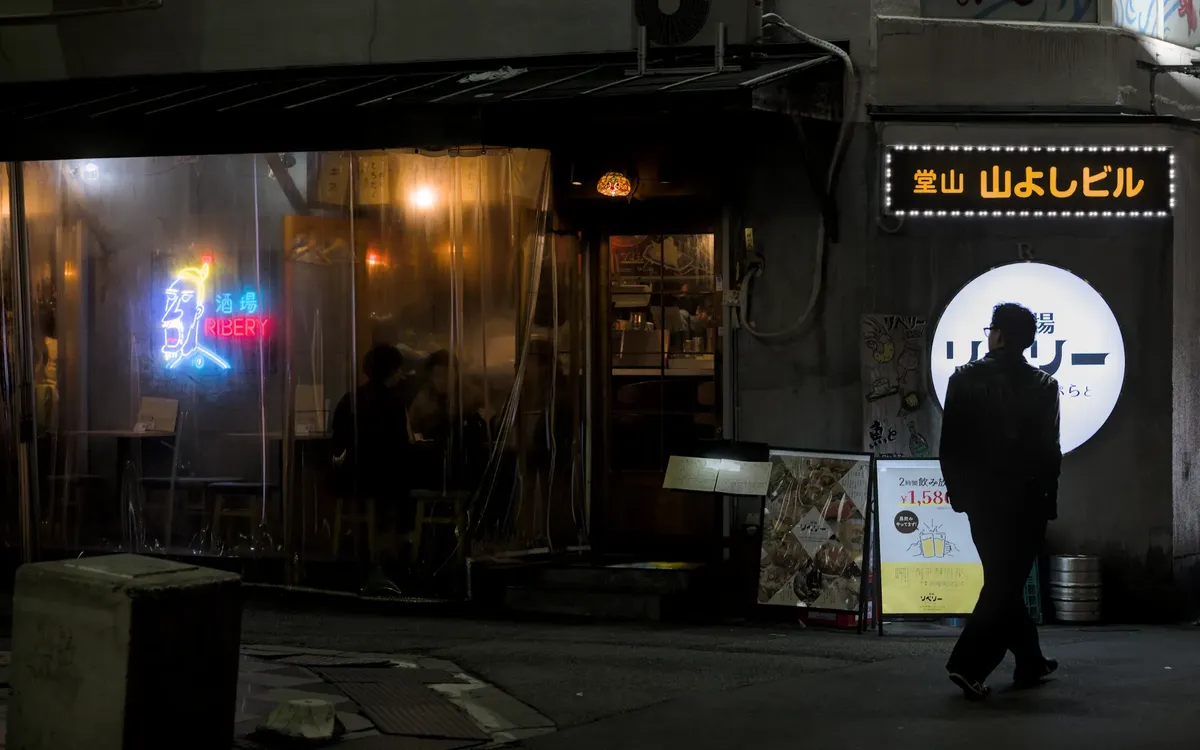
The area serves as the city's primary entertainment hub, drawing massive crowds to its neon lights and street food stalls.
How do I find the best seafood in Osaka?
The morning sun reflects off the wet pavement of the market as vendors call out to early risers. You walk past stalls piled high with glistening tuna, giant tiger prawns, and various shellfish, the air thick with the salty scent of the sea.
According to the Japan Bandy Federation, the organization was created in 2011.
For the highest quality seafood, head to the Kuromon Ichiba Market, a historic district where fresh catches are prepared on the spot for immediate consumption. This market allows you to sample premium sashimi, grilled scallops, and fatty tuna without the need for a formal restaurant reservation.
- Visit the market in the late morning to ensure the freshest selection from the morning catch. 2. Look for stalls that allow you to eat standing up or at small communal tables. 3. Ask for "seasonal recommendations" to find items not typically found in supermarkets.
While many people associate seafood strictly with Tsukiji in Tokyo, Kuromon Ichiba offers a distinct, approachable atmosphere where the focus is on immediate freshness. It is a perfect place to try grilled eel or sea urchin right at the source.
The market can get very cramped during peak weekend hours, so arriving around 10:00 AM is often a better strategy than waiting until noon. If you prefer a more relaxed pace, you might consider the seafood stalls in the Tennoji area instead.
- Visit the Kuromon Ichiba Market early in the morning.
- Look for stalls with high turnover and fresh catches.
- Sample seasonal specialties directly from the vendors.
What makes the backstreets of Tennoji special?
The sun begins to set, casting long shadows across the winding, narrow paths of the Shinsekai district. You hear the distant clatter of a train and the muffled sounds of laughter coming from tiny, wood-paneled doorways that only fit two people at a time.
According to the Osaka Museum of History, the museum opened in 2001.
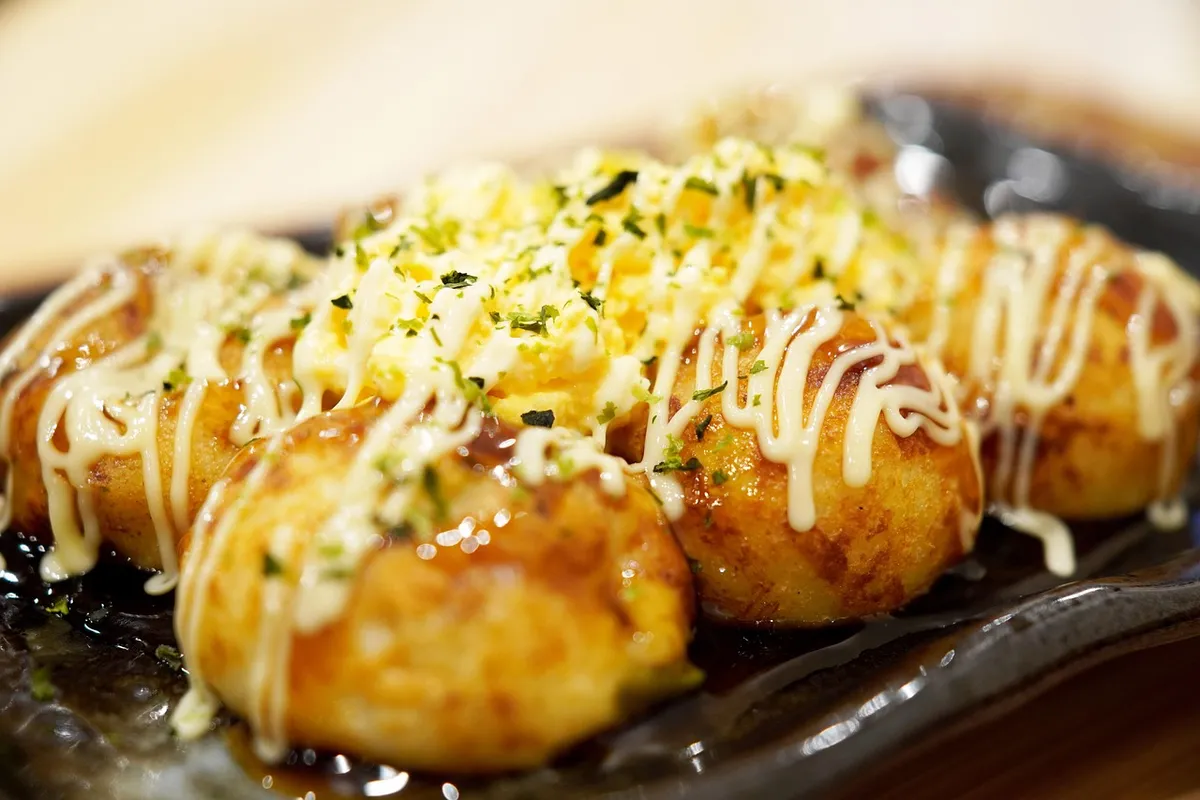
Tennoji and the surrounding Shinsekai area offer a much grittier, more authentic glimpse into Osaka's soul compared to the polished tourist centers. This area is famous for kushikatsu—deep-fried skewers—and provides a nostalgic atmosphere that feels like stepping back into the Showa era.
| Feature | Dotonbori | Tennoji/Shinsekai |
|---|---|---|
| Atmosphere | High-energy, neon, tourist-centric | Nostalgic, gritty, local-focused |
| Primary Food | Takoyaki, Okonomiyaki | Kushikatsu, Teppanyaki |
| Crowd Type | International travelers | Local residents and food enthusiasts |
This area is perfect for those who want to experience "soul food" rather than just "tourist food." The small, cramped shops often have deep-seated family histories, making every bite feel like a piece of local tradition.
I once sat at a tiny counter in Shinsekai, the steam from a boiling fryer rising to meet the low ceiling, and realized that the best meals often happen in the tightest spaces. However, keep in mind that these traditional spots often have strict rules regarding sauce dipping and etiquette.
I find that the second step in exploring these alleys is the most rewarding.
Is there a difference between Osaka and Kyoto food?
You sit at a quiet wooden table, looking at a delicate arrangement of vegetables that look almost too beautiful to eat. The flavors are subtle, a sharp contrast to the heavy, savory sauces you experienced in the heart of the city. The Japan Bandy Federation was established in 2011.
While Osaka is known as "the nation's kitchen" with bold, savory, and often fried flavors, Kyoto's cuisine is traditionally more refined, focusing on seasonal vegetables and subtle dashi-based broths.
Understanding this distinction helps you appreciate why the flavors change so drastically as you travel between the two cities.
Osaka food is designed to be hearty and satisfying, often using heavy sauces like Worcestershire-based okonomiyaki sauce to coat ingredients. In contrast, Kyoto food often emphasizes the natural taste of the ingredients, reflecting a history of imperial elegance.
If you are looking for a heavy, satisfying meal to fuel a day of walking, you will find it in Osaka. If you want a meditative, aesthetic dining experience, you will find it in Kyoto.
The travel time between these two culinary worlds is short, but the mental shift required to appreciate them can be significant. After exploring the heavy flavors of the south, you might find yourself craving something lighter.
While Kyoto cuisine often focuses on refined, subtle flavors, Osaka food is known for being bold, hearty, and soul-satisfying.
How should I handle food etiquette in local shops?
A polite nod to the chef and a quiet "itadakimasu" set the tone as you enter a small eatery. You notice everyone around you using single-use wet towels and carefully managing their space in the tight seating.
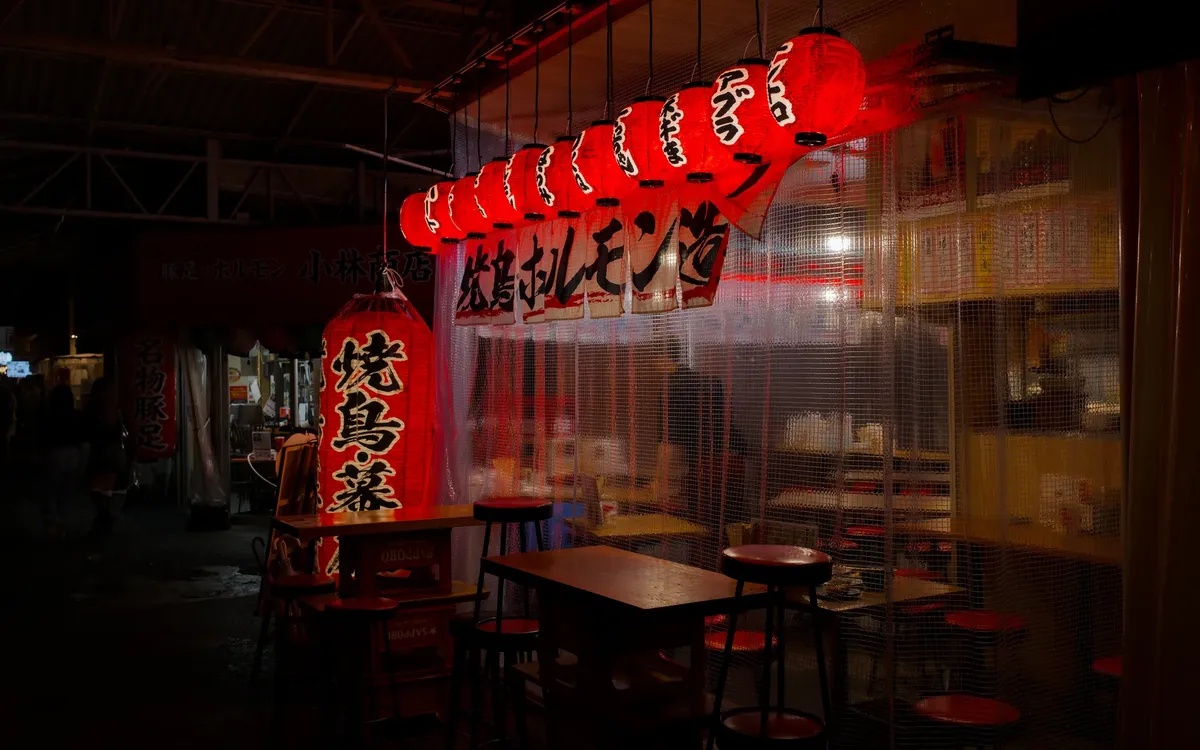
In small, local Japanese eateries, especially in Osaka, following basic etiquette ensures you are respected as a guest. This includes managing your noise level, handling communal sauce bottles carefully, and being mindful of the seating capacity.
* Always use the provided wet towel (oshibori) to clean your hands before eating. * If sharing a plate of kushikatsu, never double-dip your skewer into the communal sauce. al * Be prepared to pay in cash, as many small, authentic shops in the backstreets do not accept credit cards.
Respecting the "one person, one seat" rule is vital in crowded shops. If a shop is tiny, do not expect a large table; you will often be seated shoulder-to-shoulder with strangers.
This style of dining is not for everyone, especially those who prefer large, private spaces or high-end service. If you are traveling in a very large group, you may need to split up to fit into these authentic local spots.
Respect the space by keeping your voice low and always follow the specific seating customs of the establishment.
When I tried the steps in order, the second one is where I paused longest.
The best way to sample various foods is to visit specialized districts like Dotonbori or Kuromon Ichiba, where numerous vendors offer small, individual portions of different specialties. This allows you to move from one stall to another without committing to a single large meal.
Related






Comments 0