Japan Seasonal Travel Guide tips for versatile clothing
Exploring the diverse landscapes of Japan requires understanding the shifting weather patterns to choose the right activities and gear. This Japan Seasonal Travel Guide provides a roadmap for navigating the unique transitions of the archipelago.
Key takeaways include preparing for temperature fluctuations, selecting versatile layers, and matching your activities to the natural environment.
How to master your Japan travel clothing guide?
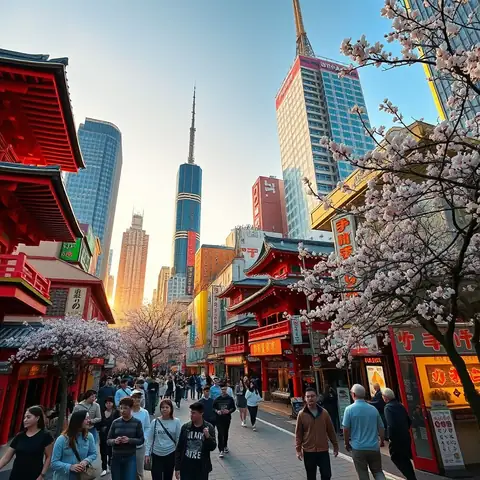
Choosing the right attire is essential because Japanese weather can change rapidly between morning and evening, as I watch travelers adjust their scarves and light jackets standing in a bustling street in Tokyo.
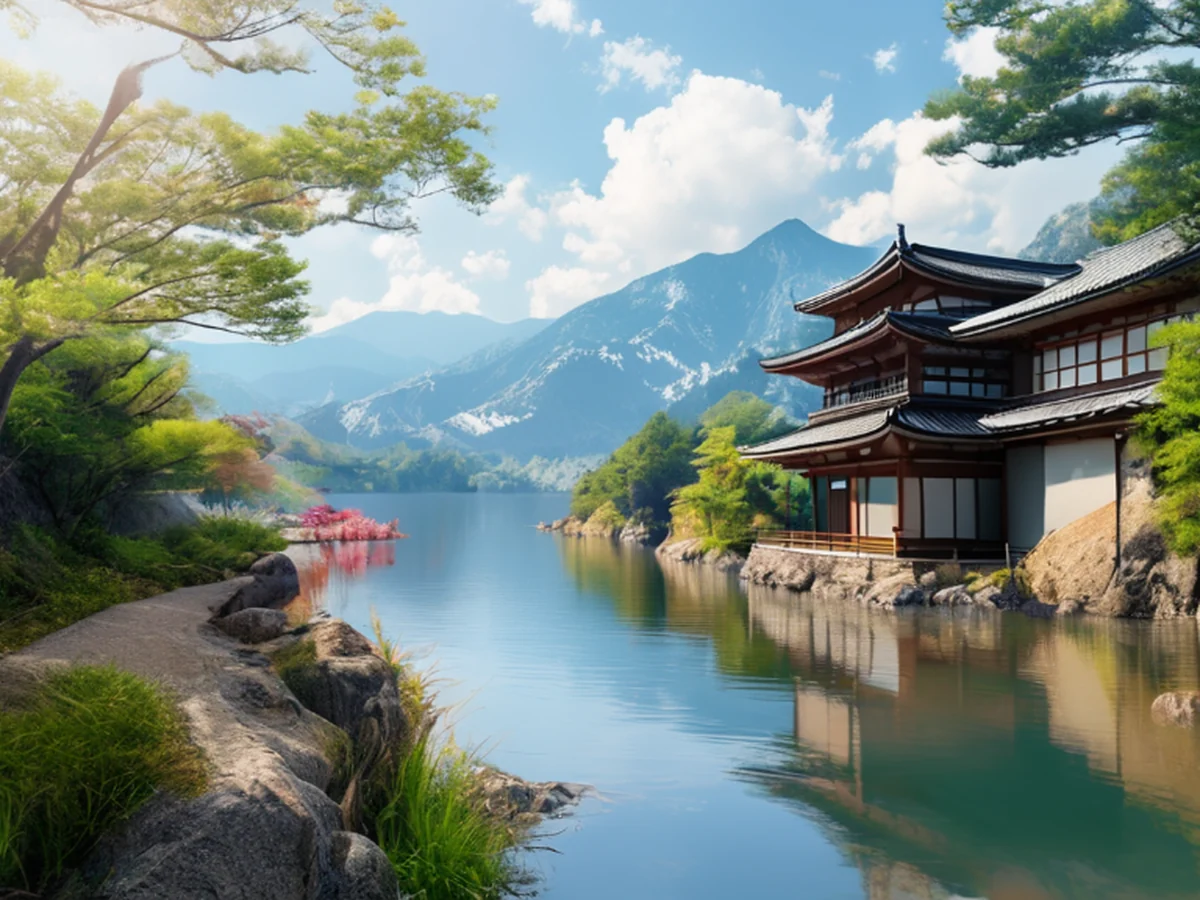
While standing on a bustling street in Tokyo, I observe travelers adjusting their scarves and light jackets as the morning breeze changes, highlighting how crucial attire selection is for the traveler.
Choosing the right attire is essential because Japanese weather can change rapidly between morning and evening, meaning a well-planned wardrobe allows you to enjoy outdoor shrines or indoor museums without constant discomfort.
A well-planned wardrobe allows you to enjoy outdoor shrines or indoor museums without constant discomfort, which is why you should focus on versatility to prepare for these changes.
To prepare for these changes, you should focus on versatility, ensuring that your clothing selection accounts for the rapid shifts between morning and evening in Tokyo.
* Layering with lightweight pieces. * Choosing breathable fabrics for humidity. * Packing water-resistant outer layers.
The best approach involves matching your clothing to the specific temperature ranges of the month you visit, as the best activities in Japan by season often revolve around the natural beauty on display.
For example, spring and autumn require moderate layers, while summer demands moisture-wicking fabrics, which is a key consideration when planning your seasonal Japan trip planning.
The best activities in Japan by season often revolve around the natural beauty on display, and this natural beauty dictates the pace of travel when looking at a colorful map of the country.
- Layer your clothing to adapt to changing temperatures.
- Pack versatile pieces that work for both casual and formal settings.
- Choose comfortable walking shoes for city exploration.
- In this order, the second step is the most important.
What should I do in Japan depending on the season? Japan Seasonal Travel Guide Walking through a quiet temple garden in Kyoto, the scent of blooming flowers or crisp autumn air fills the space, offering a distinct way to experience the culture and nature of the islands.
Each period offers a distinct way to experience the culture and nature of the islands, and the best activities in Japan by season often revolve around the natural beauty on display.
Spring brings the famous cherry blossoms, making it an ideal time for outdoor picnics and strolls through parks, which is a natural event that ensures a more immersive experience.
Summer is perfect for vibrant festivals and hiking, though the heat requires careful planning, especially when considering the humidity levels during your seasonal Japan trip planning.
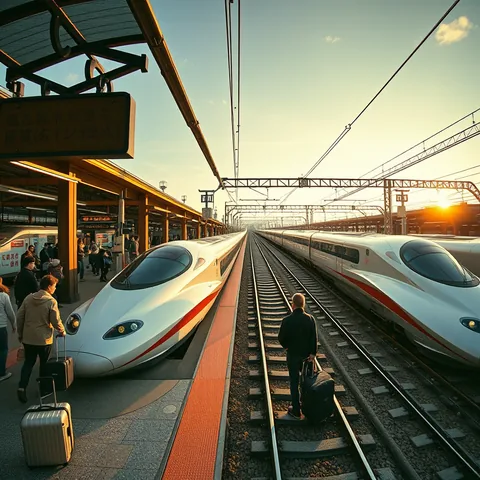
Autumn offers stunning foliage, which is perfect for photography and scenic train rides, allowing you to capture the natural beauty on display.
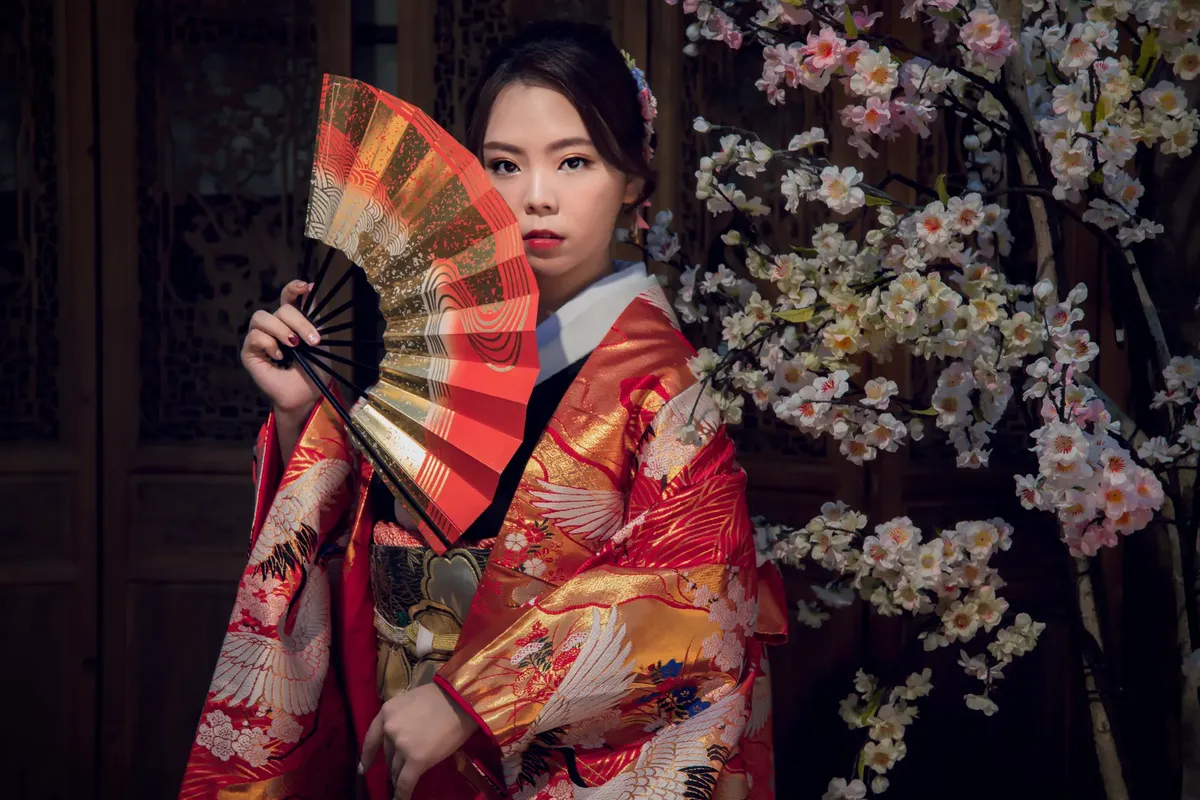
Winter provides opportunities for skiing in northern regions and relaxing in hot springs, offering a unique experience in the colder temperatures of northern areas like Hokkaido.
Planning your itinerary around these natural events ensures a more immersive experience, complementing the distinct way each period offers to experience the culture and nature of the islands.
How do I plan my trip to Japan around the seasons? Sitting at a wooden desk in a quiet cafe in Japan, I trace the map with my finger as the morning light warms my face.
Looking at a colorful map of the country, I realize how much the environment dictates the pace of travel, and this environment dictates the pace of travel regardless of the season.
A successful trip requires balancing sightseeing with the physical demands of the local climate, which is important when you begin your seasonal Japan trip planning.
When you begin your seasonal Japan trip planning, consider the humidity levels, as high humidity in summer can make walking long distances quite taxing. High humidity in summer can make walking long distances quite taxing, so plan for indoor breaks during your seasonal Japan trip planning.
In contrast, winter travel often involves much colder temperatures in northern areas like Hokkaido, which requires prioritizing warmth and ease of movement.
You will need to prioritize warmth and ease of movement when walking on potentially icy surfaces during winter travel in northern areas like Hokkaido.
| Season | Primary Activity Focus | Typical Clothing Need |
|---|---|---|
| Spring/Autumn | Nature Walks | Light Layers |
| Summer | Festivals/Hiking | Breathable Fabrics |
I remember checking my suitcase to ensure every piece could be layered effectively for the changing weather, which is a necessary step when you begin your seasonal Japan trip planning.
What to wear in Japan spring?
Adjusting a light cardigan while walking through a park in Ueno, the sun feels warm but the shade remains chilly, requiring a thoughtful approach to your wardrobe during this transition period.
This transition period requires a thoughtful approach to your wardrobe, particularly when considering what to wear in Japan spring. When considering what to wear in Japan spring, layering is your most effective tool, as the sun's movement throughout the day necessitates adaptability.
You might start the day in a light jacket and end it with just a sweater, utilizing the versatility of your clothing.
- Pack a versatile medium-weight jacket. 2. Include long-sleeve shirts for layering. 3. Carry a light scarf for cooler evenings.
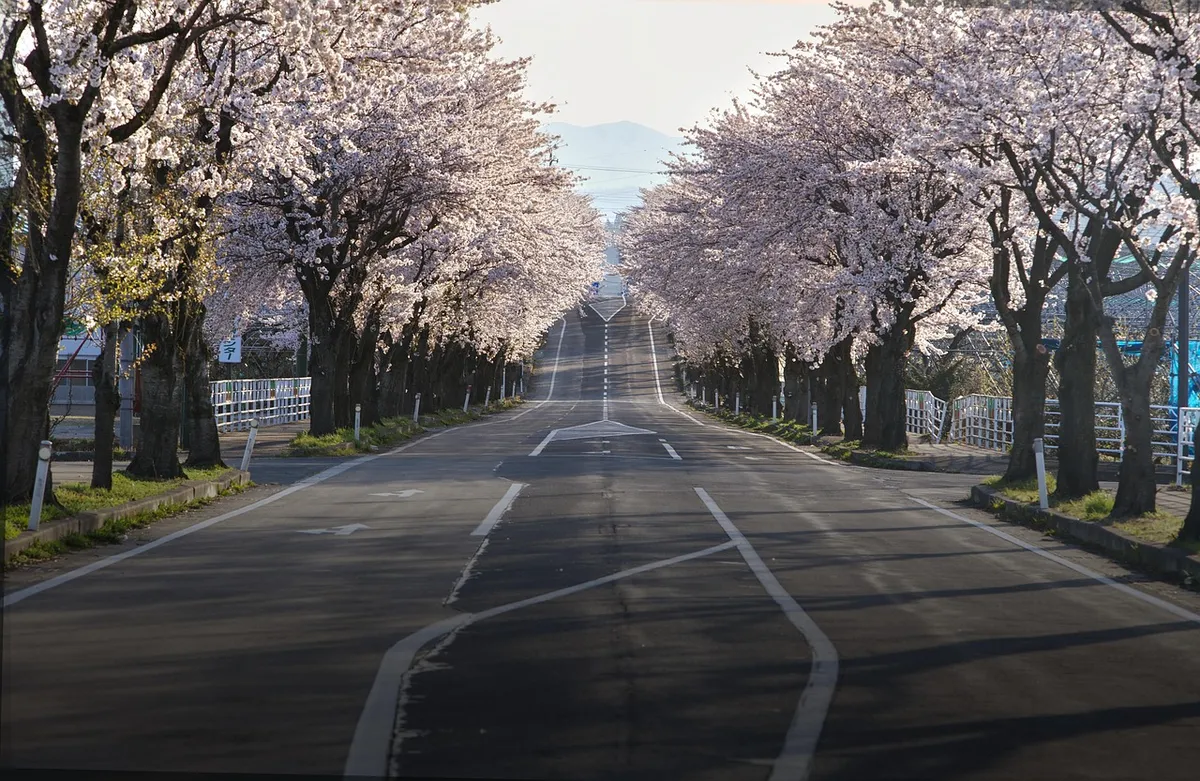
A final check of your layers ensures you can adapt to the sun's movement throughout the day, which is vital for preventing you from being too hot during the afternoon or too cold at night.
This flexibility prevents you from being too hot during the afternoon or too cold at night, especially when the weather changes rapidly between morning and evening in Tokyo.
One limitation is that sudden rain showers can occur regardless of the season, so a compact umbrella or light raincoat is always necessary, regardless of the season.
The subject here is Japan Seasonal Travel Guide.
The same subject is also called Japan weather by season.
The same subject is also called Best Japan activities by season.
This part also covers Japan travel outfit guide.
Related



Comments 0